
Our Process
Every project is different. But the way we approach them is consistent.
We get involved early, stay involved as long as it’s useful, and take responsibility for the decisions that shape what gets built. Our role is to bring clarity where there’s uncertainty, and keep things steady as projects move from first ideas to site.
Initial advice & feasibility
Understanding what’s possible
Some projects start with a clear brief. Others start with a question.
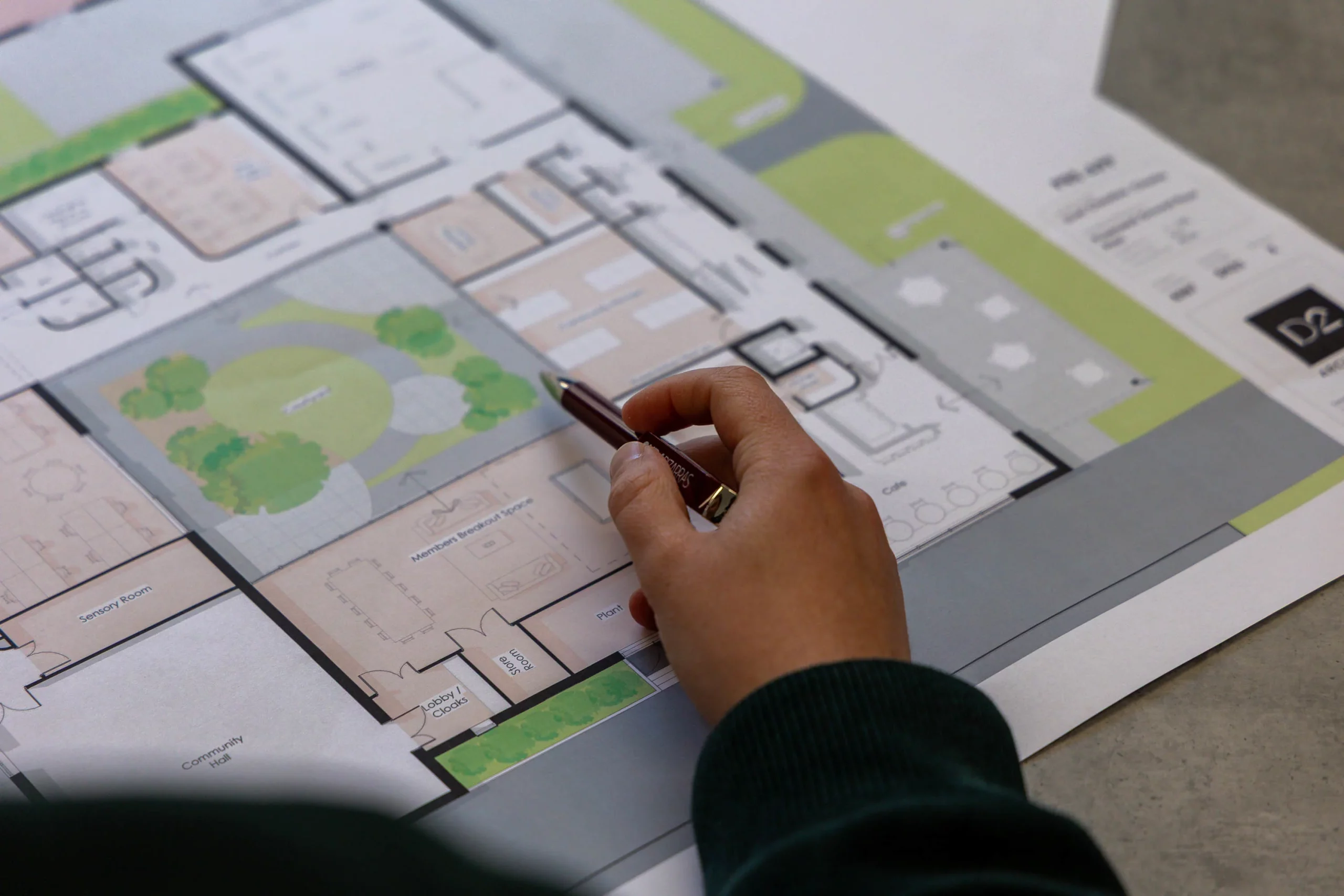
At this stage, we help you understand the site, the planning context and the practical constraints that matter. This might include an initial appraisal, site visit or feasibility study to test what’s realistic.
The aim is to understand risk early. We then explore options and avoid committing time or cost before the direction is sound.
Concept design
Setting the direction
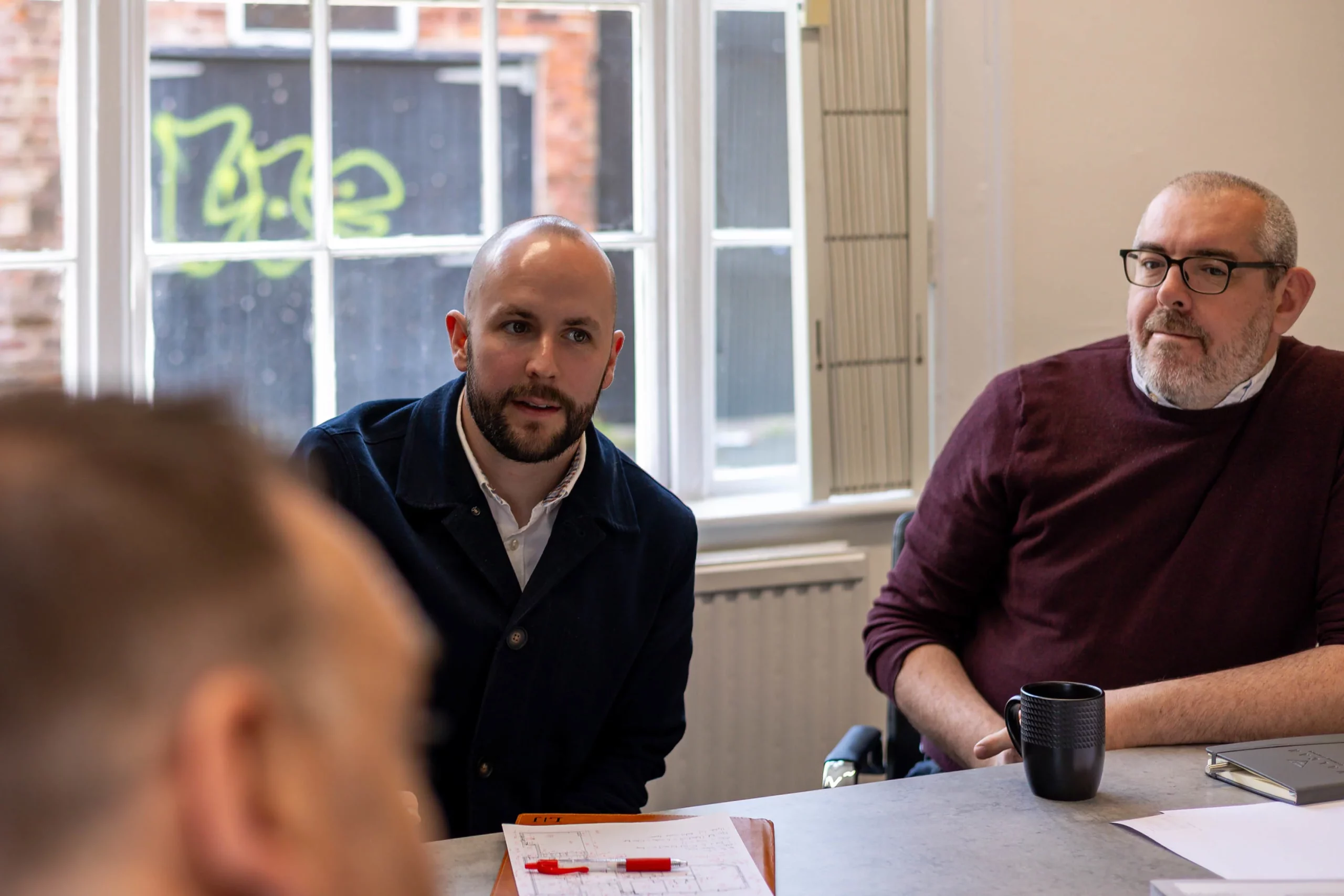
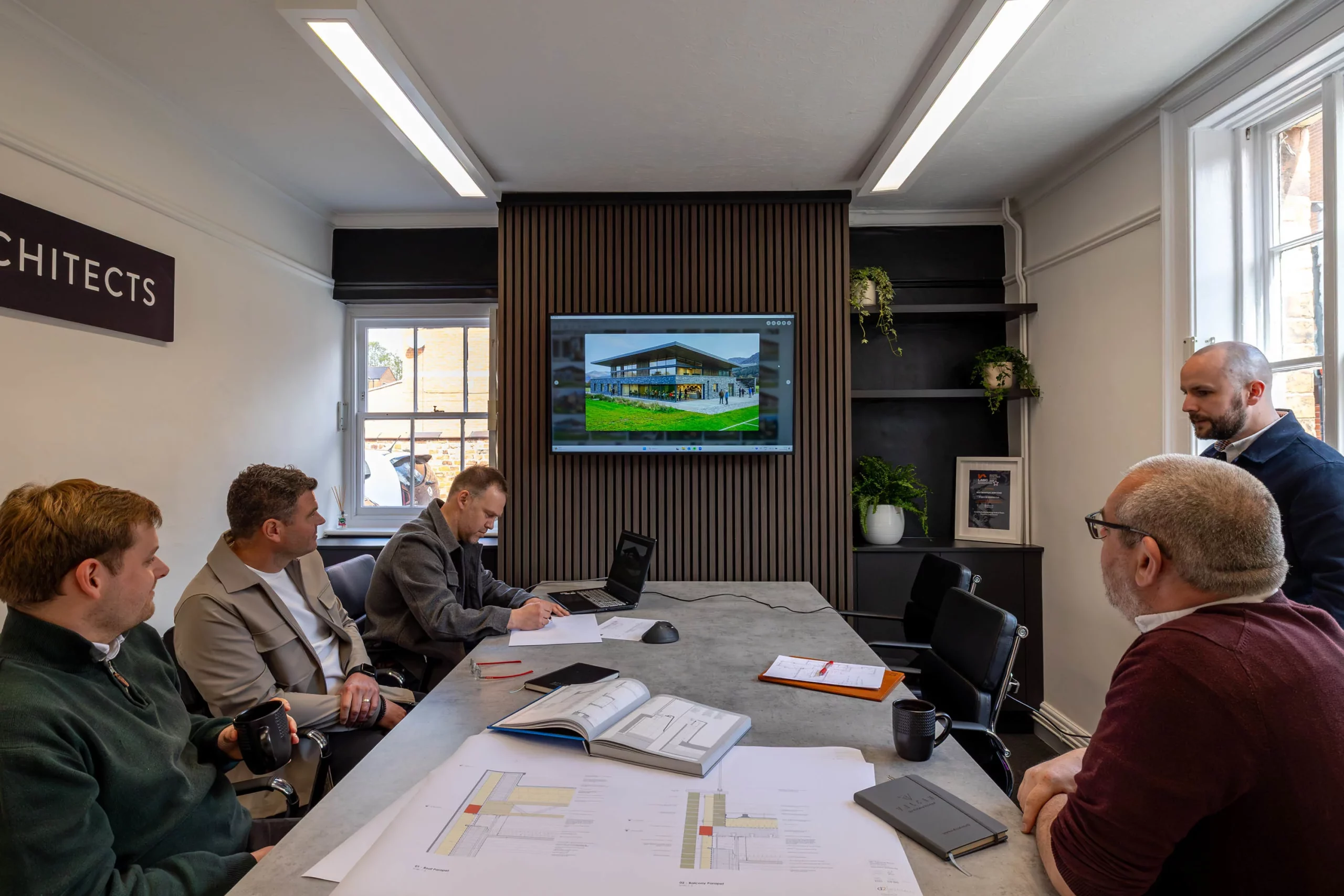
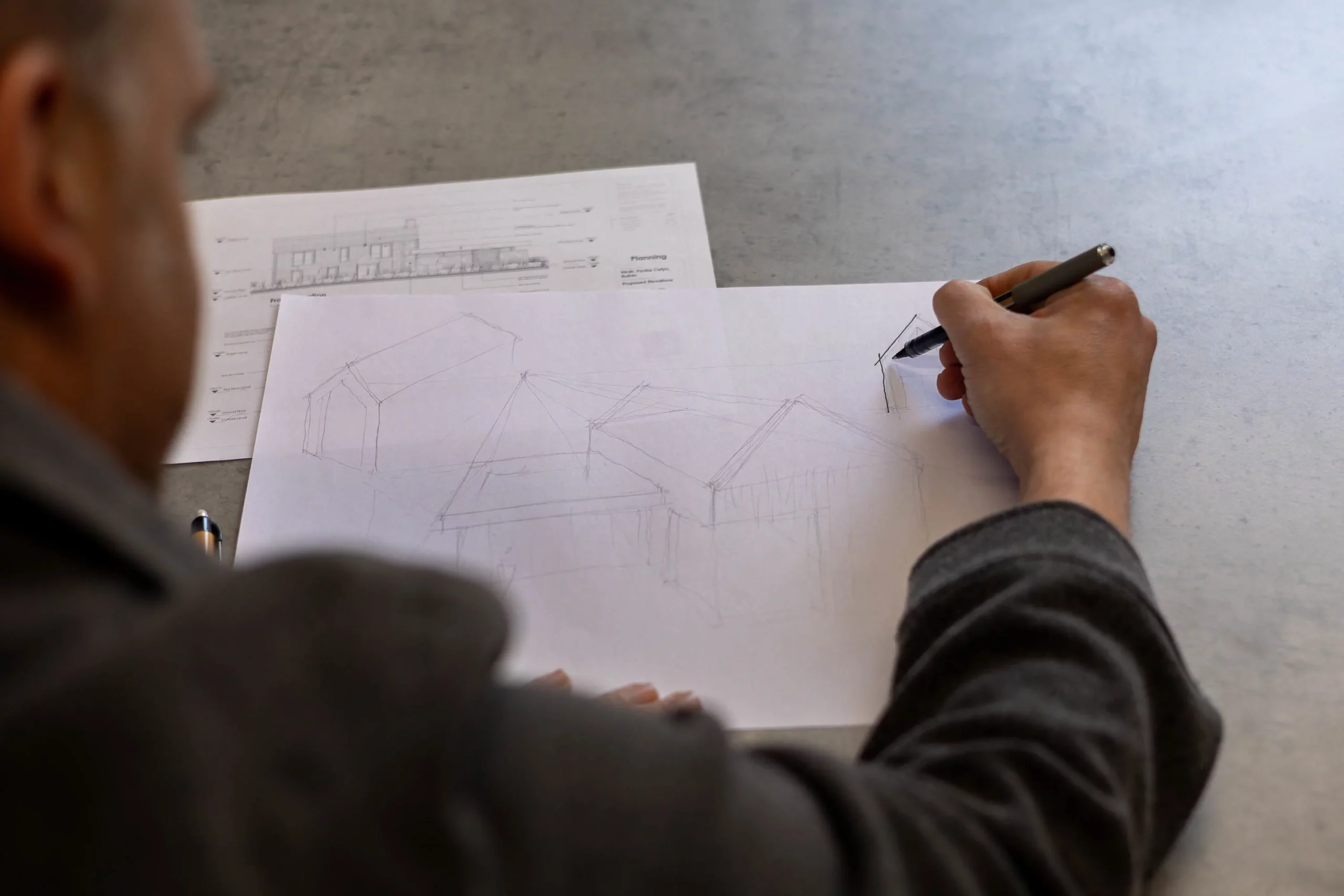
Once there’s a clear starting point, we develop the design concept.
This is where ideas are tested against planning policy, site conditions and how the building needs to work day to day. We focus on proportion, layout and overall strategy, rather than surface detail.
Decisions made here set the tone for everything that follows, so we take time to get them right.
Planning
Navigating consent carefully
Where planning consent is required, we manage the process with care.
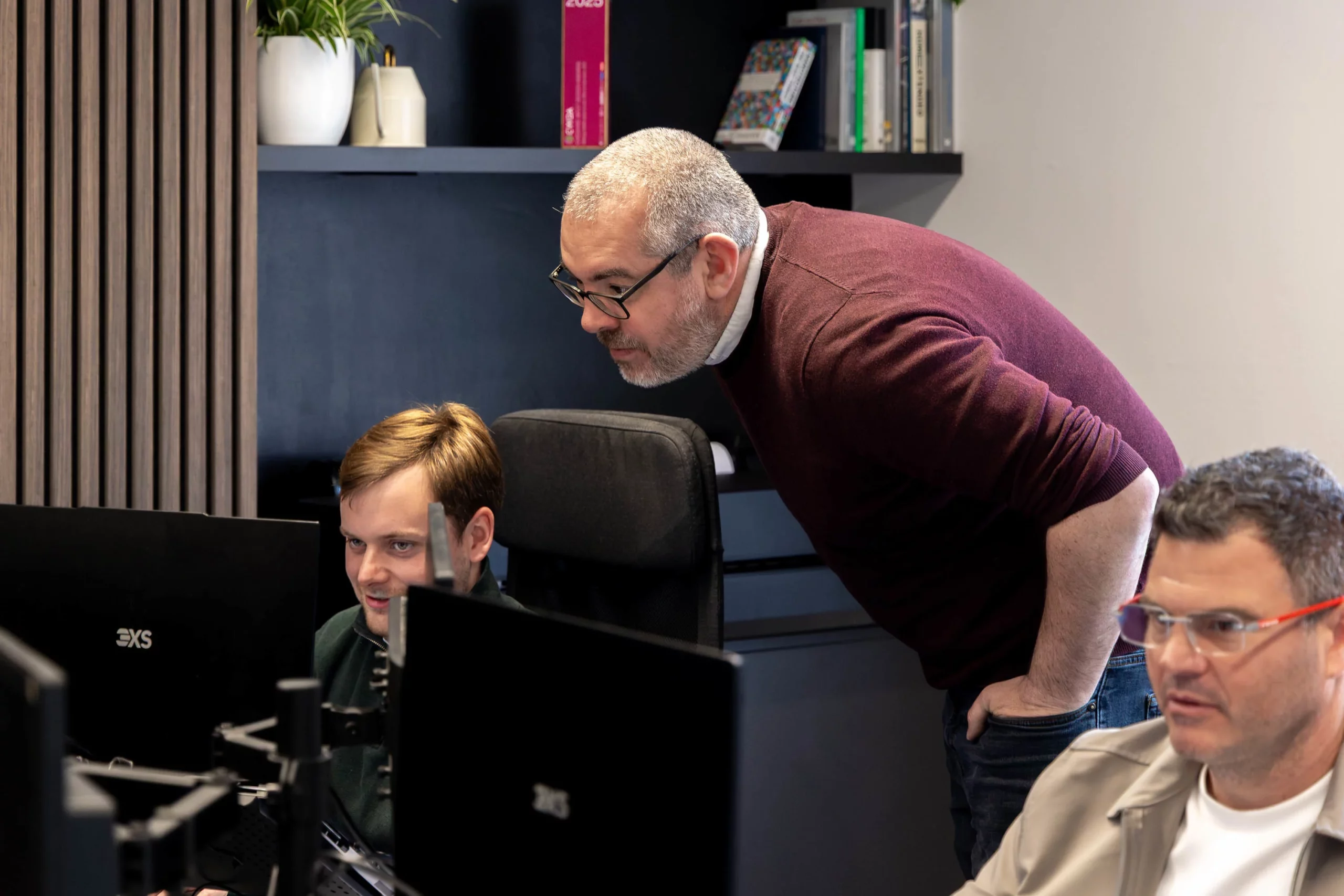
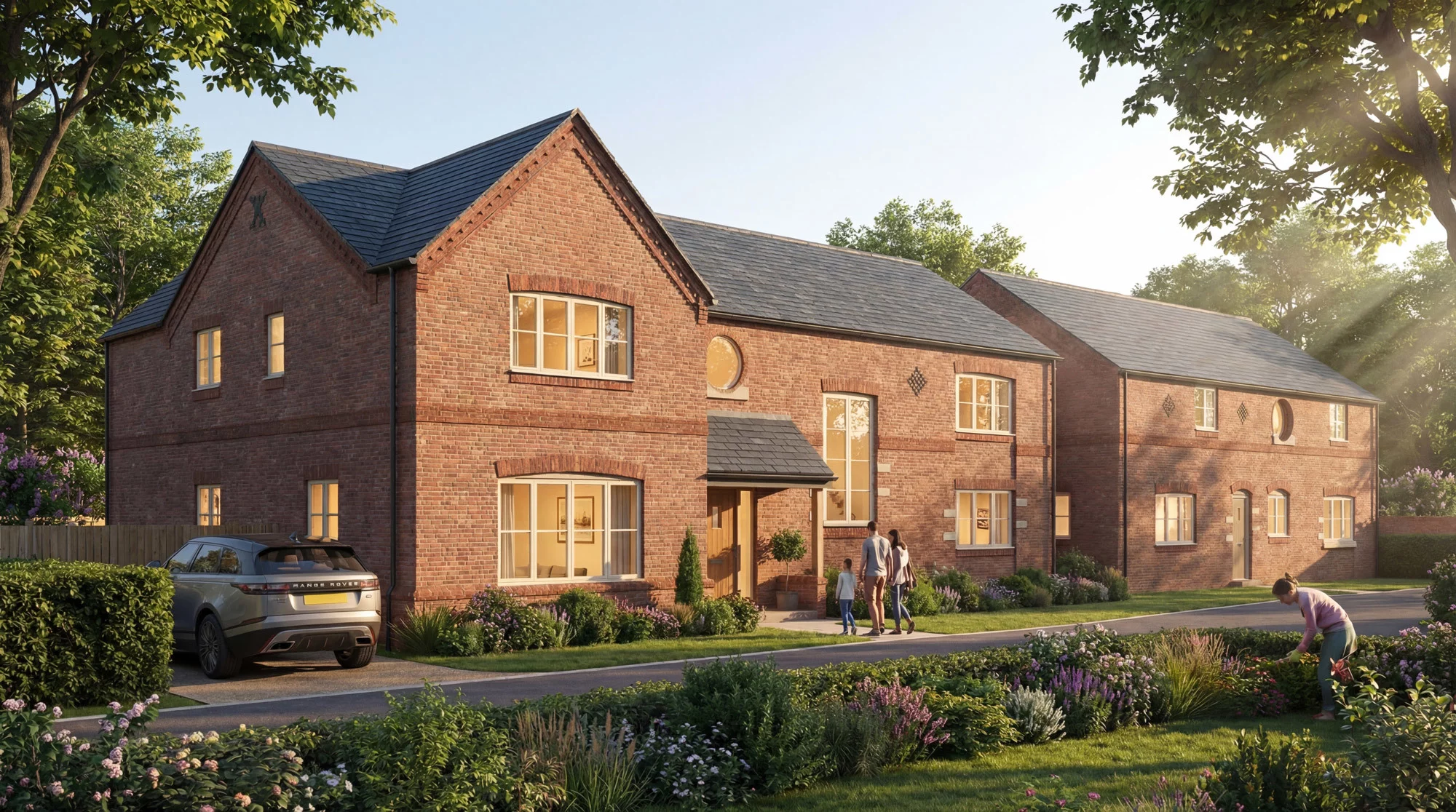
This includes developing the proposal with planning in mind, preparing the application, coordinating consultants and dealing directly with the local authority. Where appropriate, we also support pre-application discussions.
The focus is on clear judgement, rather than confrontation. Planning is treated as a process to be navigated, not a battle to be won.
Technical design
Getting it ready to build
A project that works at planning still needs to work on site.
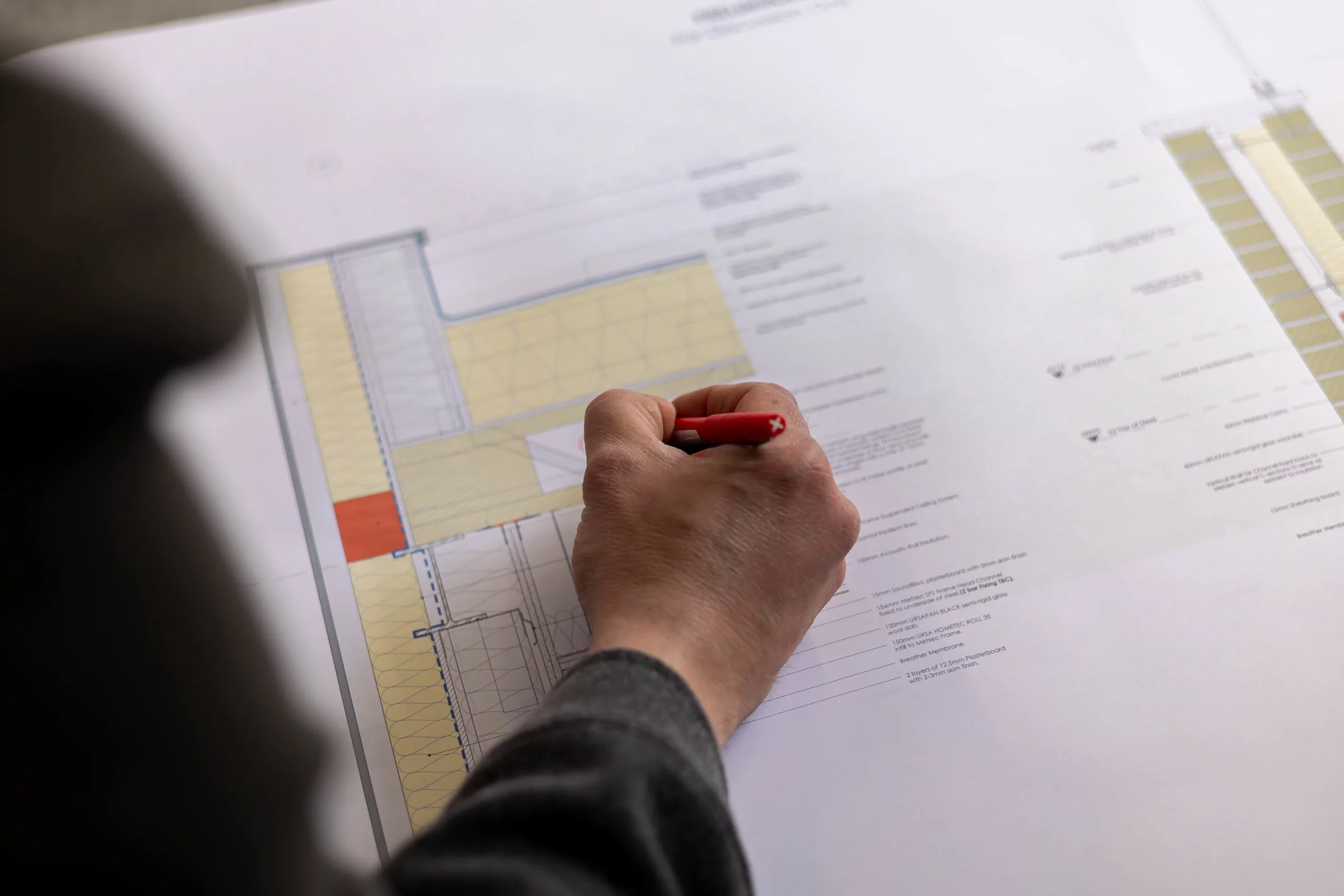
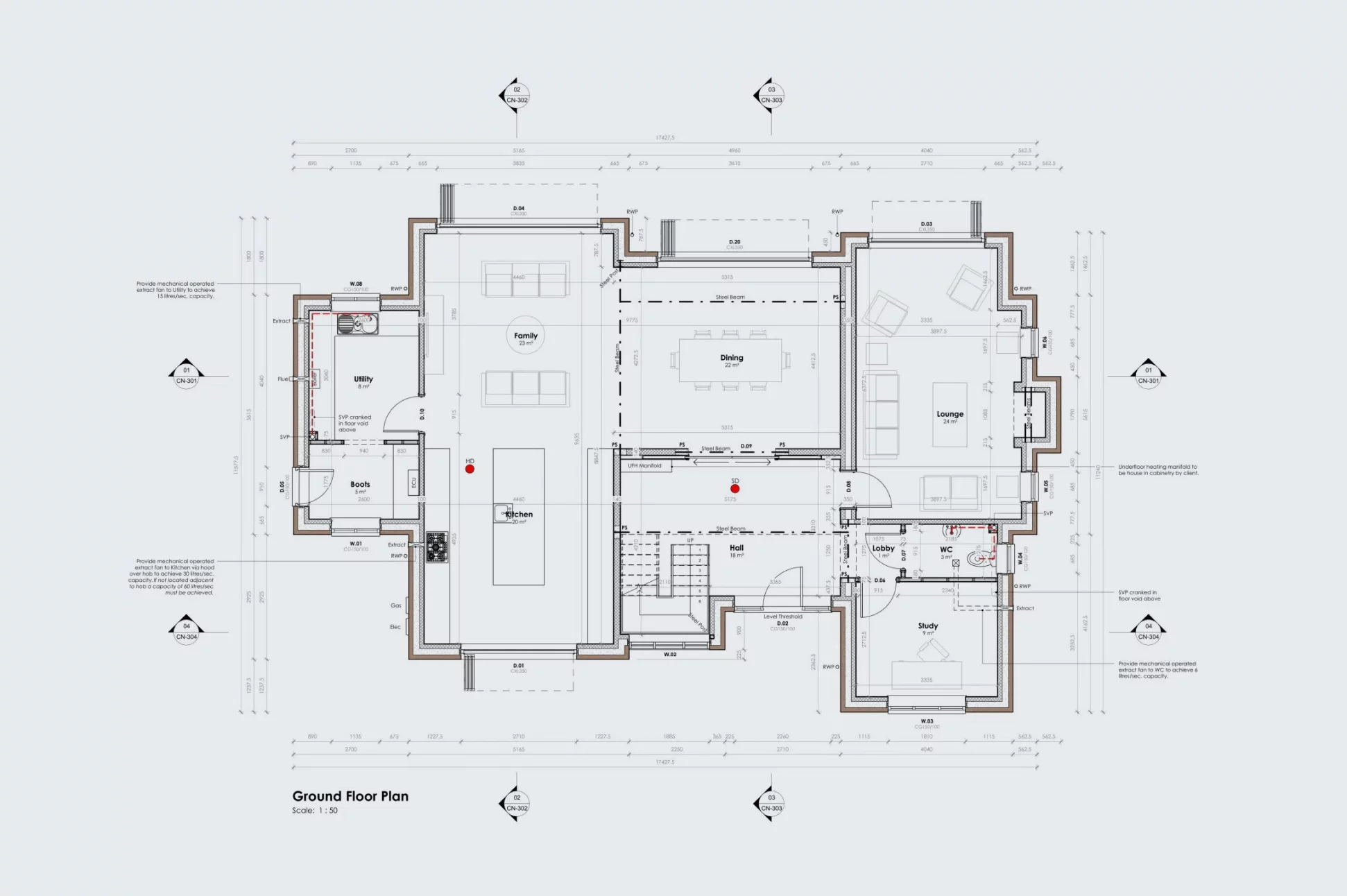
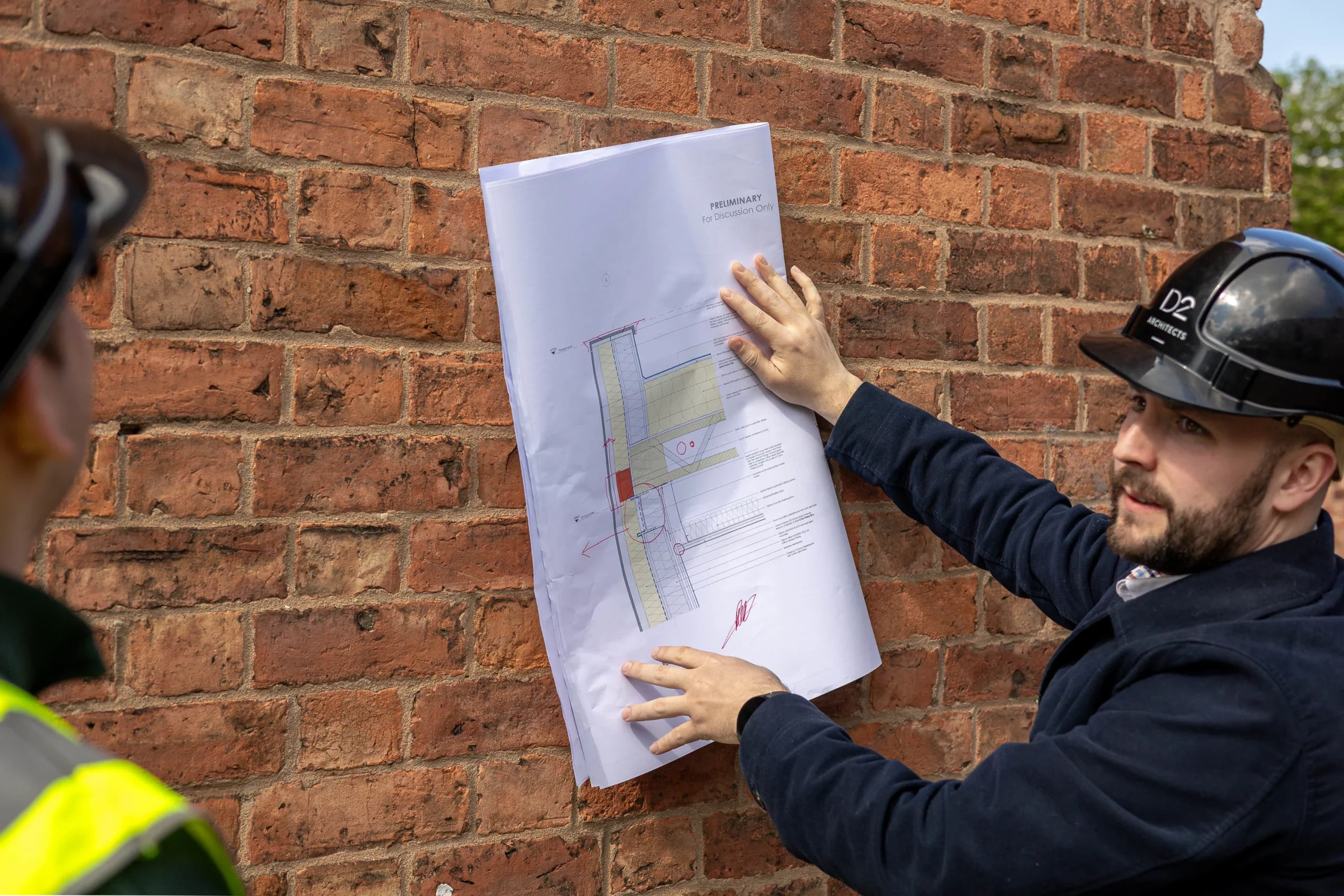
At this stage, we produce detailed drawings and specifications that builders can price properly and build from. We coordinate with engineers and consultants, and resolve key details before work starts.
Clear information here reduces risk later, helping avoid delays, cost overruns and compromises on quality.
Tender & contractor appointment
Choosing the right team
Where appointed, we support the tender process and contractor selection.
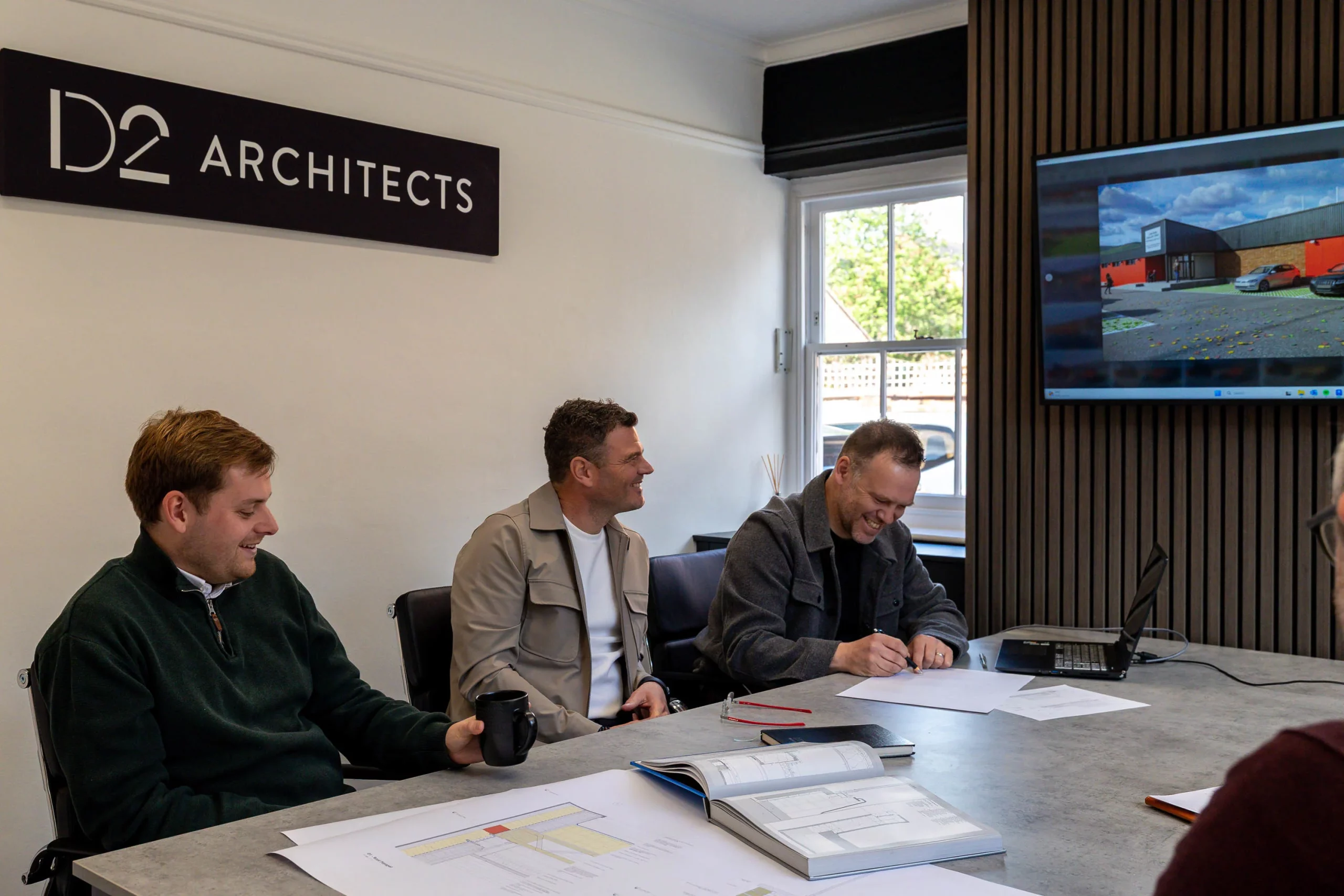
This can include preparing tender information, reviewing returns and helping clients compare options on a like-for-like basis. The aim is to ensure the chosen contractor understands the project and can deliver it properly.
Good decisions at this stage make a significant difference once work starts on site.
Construction support
Seeing it through
We don’t step away once construction begins.
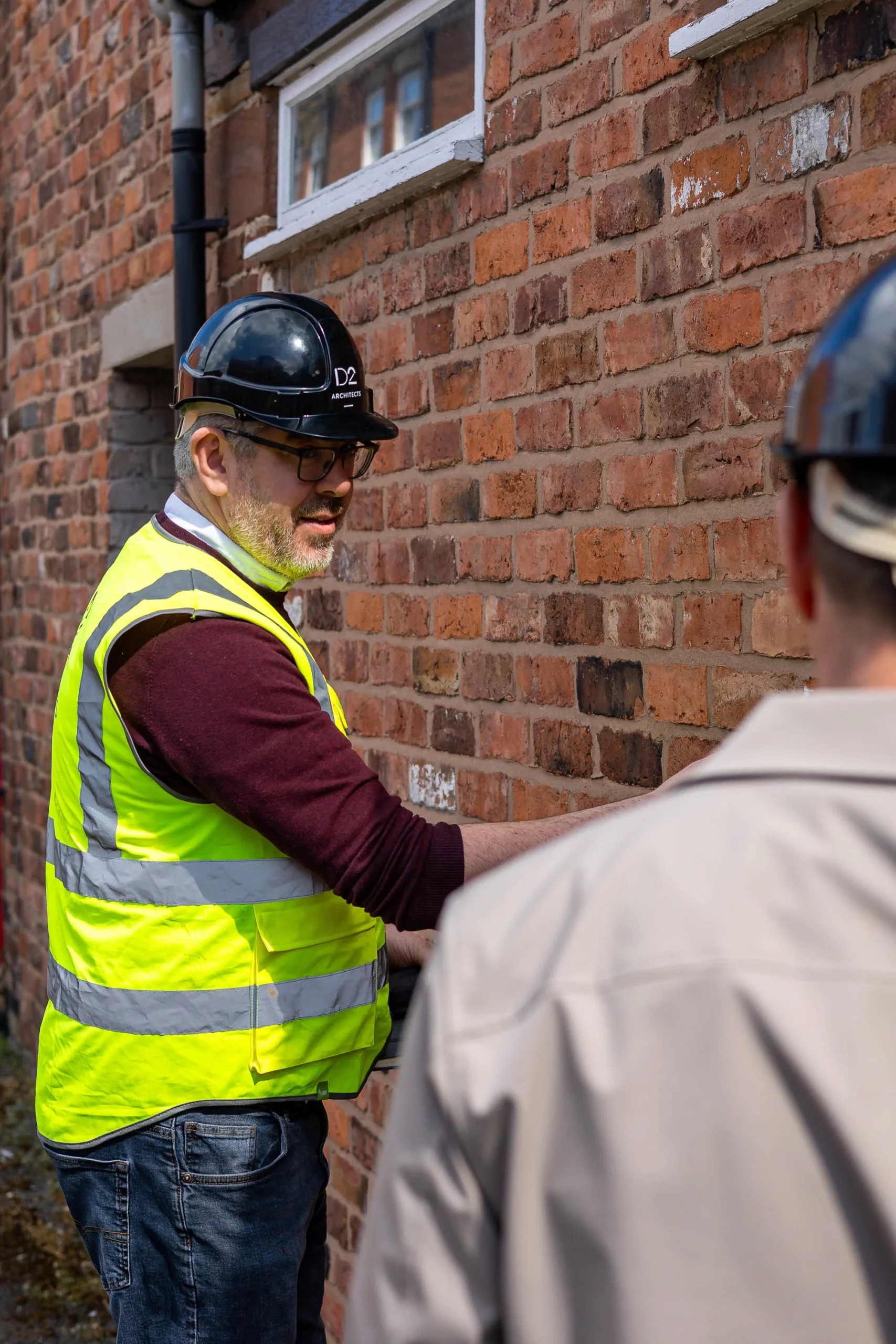
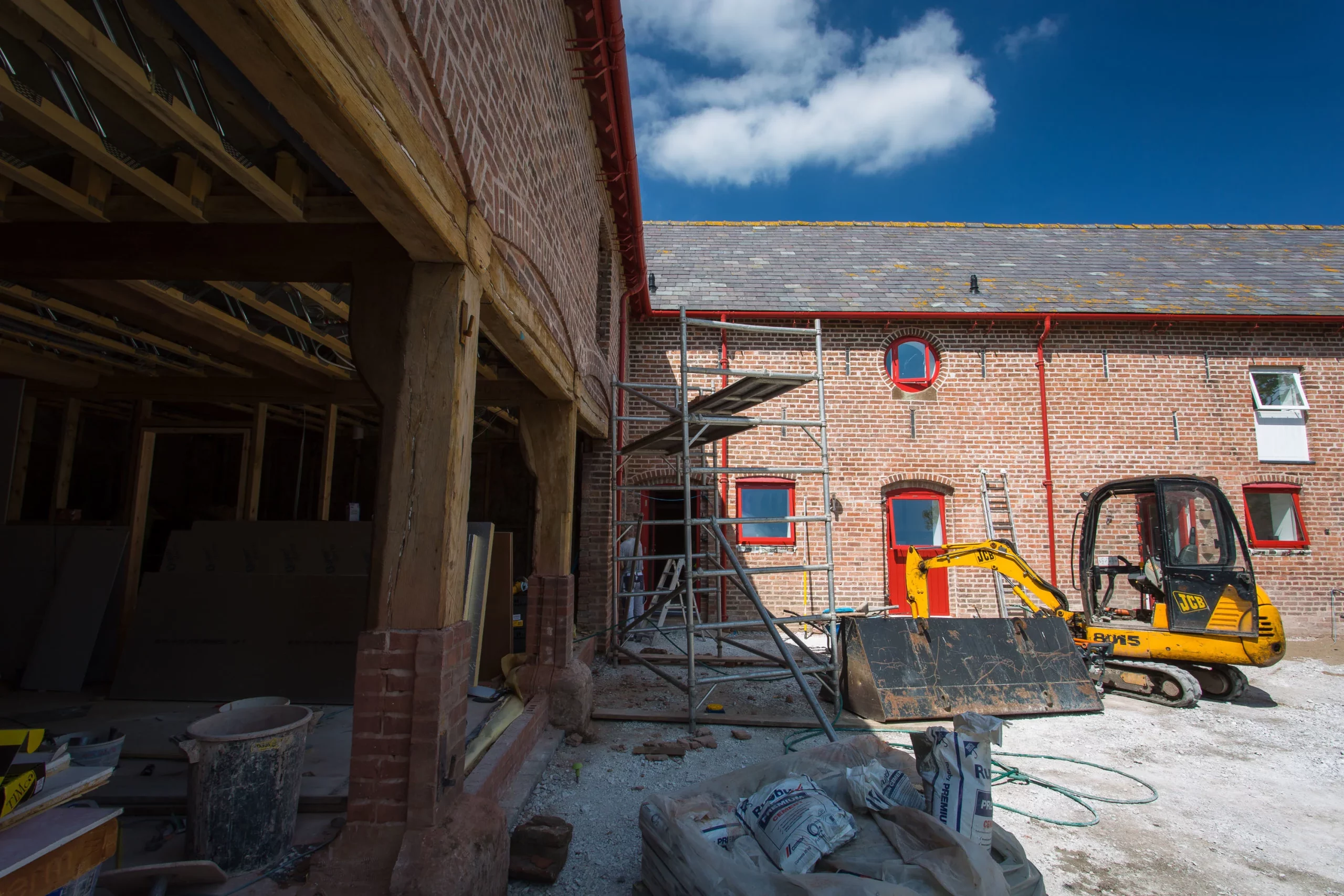
During the build, we stay involved to answer queries, review work on site and help resolve issues as they arise. This ongoing support helps protect the original intent and keeps decisions aligned as the project progresses.
As projects near completion, we support inspections, final details and handover, helping ensure the building works as intended from day one.
A flexible approach
Not every client needs every stage
Our services are structured clearly, so you can see what’s involved and decide how far you want us to be part of the process. Some clients need early planning advice. Others want full involvement through to completion.
What matters is that decisions are made with the right information, at the right time – and carried through properly.