Architectural Design & Planning Permission
We provide architectural design drawings and planning services across Chester, North Wales and the wider North West.
This is where every project begins. Whether you’re planning a house extension, a barn conversion, a new build or a commercial scheme, the design stage is where ideas are tested properly against budget, buildability and common sense.
Starting with the right brief
Every project begins with a site visit. We look at the building or land in context: neighbouring properties, access, levels, constraints, planning history. Then we talk through what you’re trying to achieve.
At this stage, we keep the brief open enough to allow for proper design thinking. If you already know exactly where every wall and socket is going, you probably don’t need an architect. Our role is to apply experience and fresh thinking, and often improve on the starting idea.
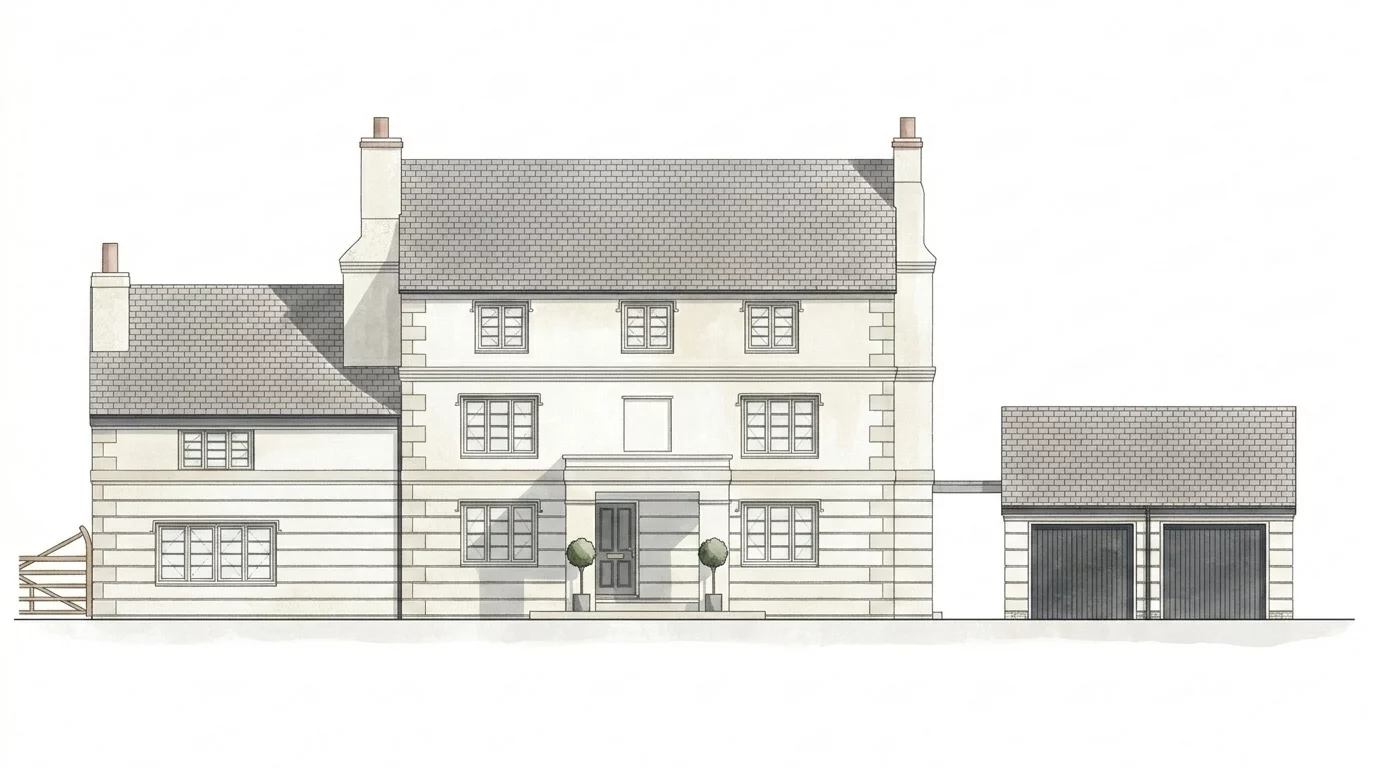
From there, we develop a sketch scheme – scaled plans and elevations that explore the proposal properly.
For homeowners, that might be an extension or remodel. For developers, it may be testing what’s achievable on a site. For commercial clients, it could mean reconfiguring or expanding existing space.
The principle is the same: clear thinking before commitment.
Handling the planning process
Most external works require planning permission. That could be a householder application for an extension, a full application for a new dwelling, or a more detailed commercial submission. Each has different requirements and different levels of scrutiny.
We prepare the planning drawings, coordinate supporting information and submit the application on your behalf. We act as your planning agent throughout, liaising with the local authority and responding to queries where necessary.
If you’re unsure whether your project needs planning permission, or you’ve previously had an application refused, this is usually the stage where clarity starts.
Our job is straightforward: design something that works for you and stands the best chance of approval.
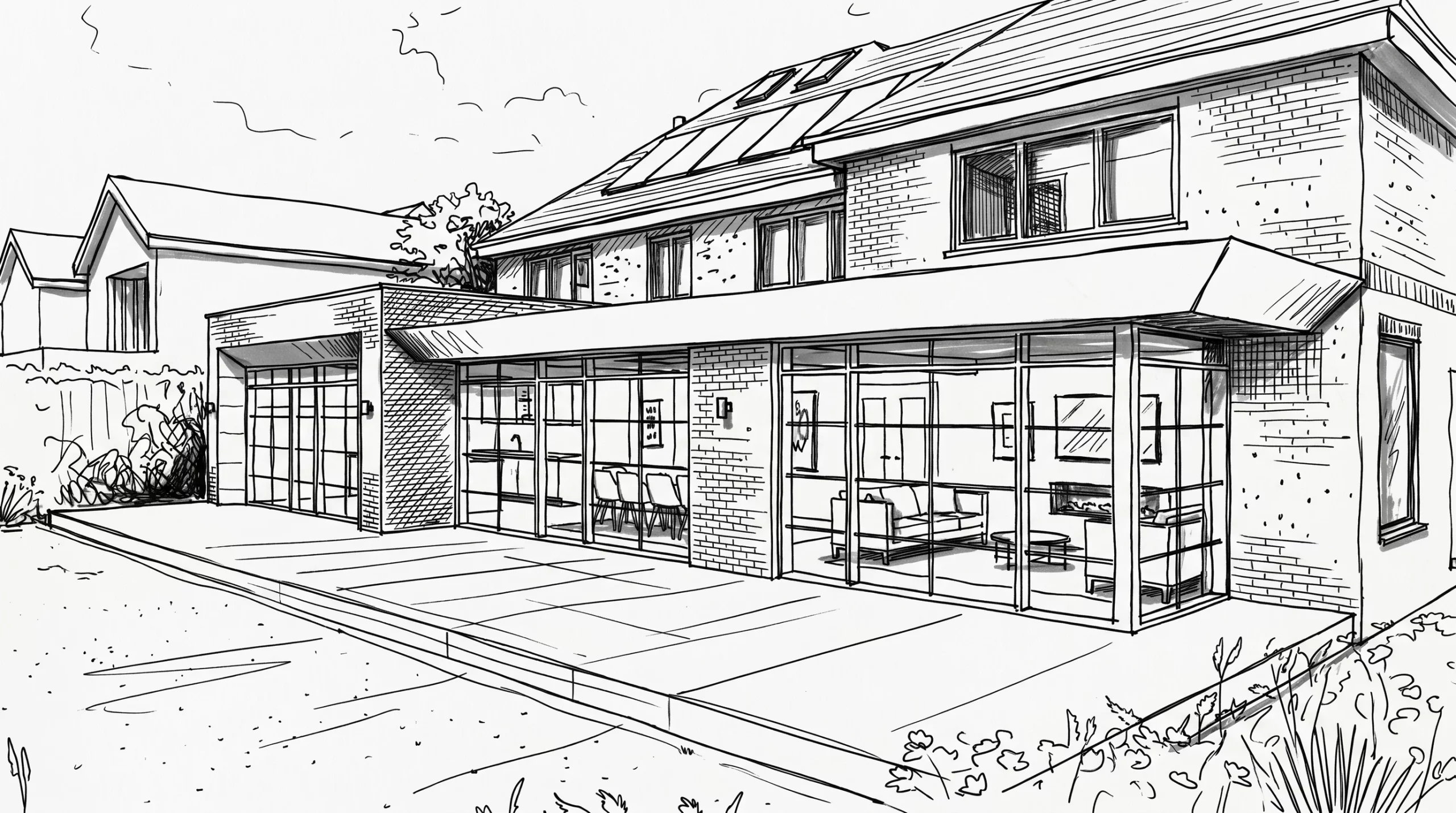
Where 3D visualisation adds value
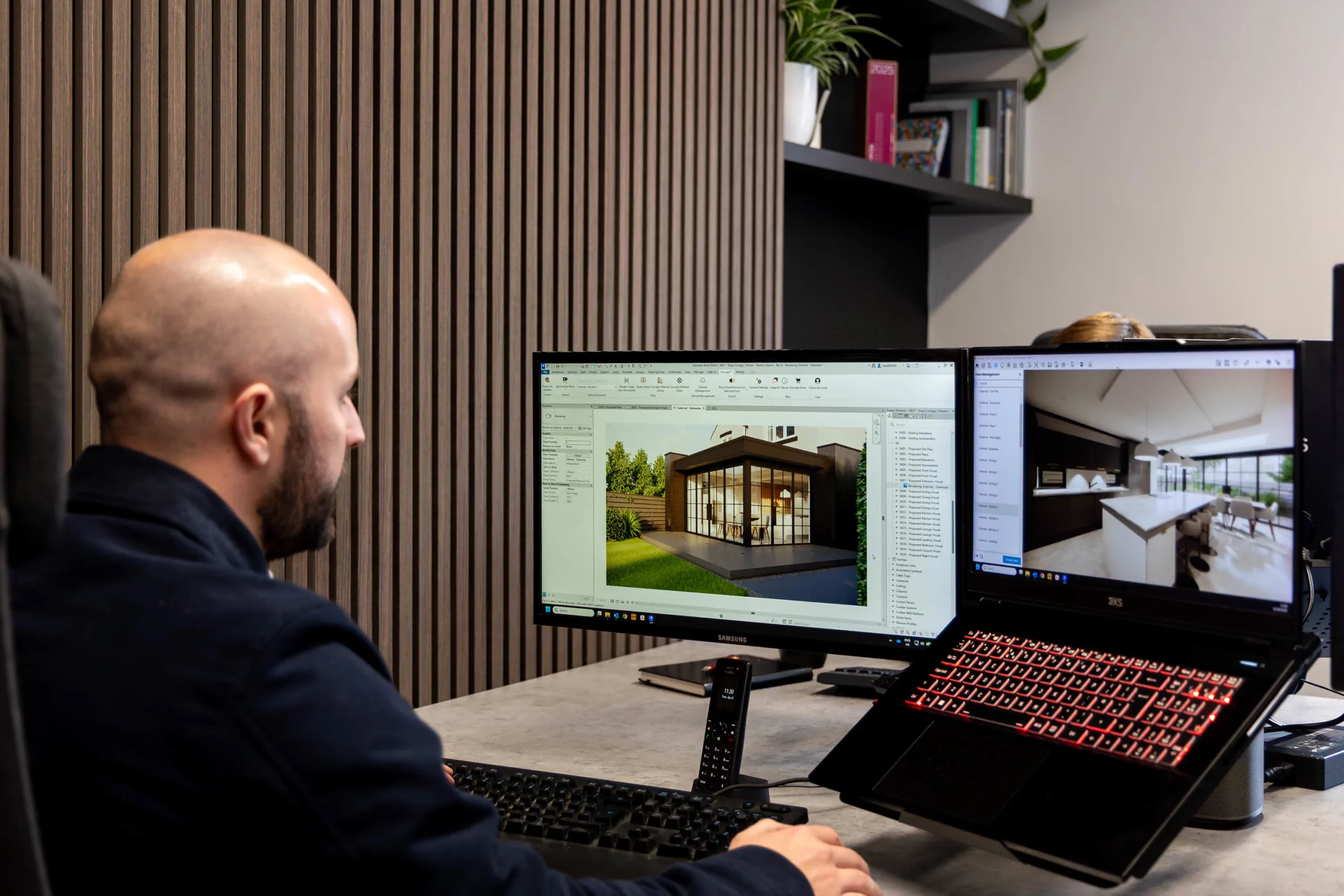
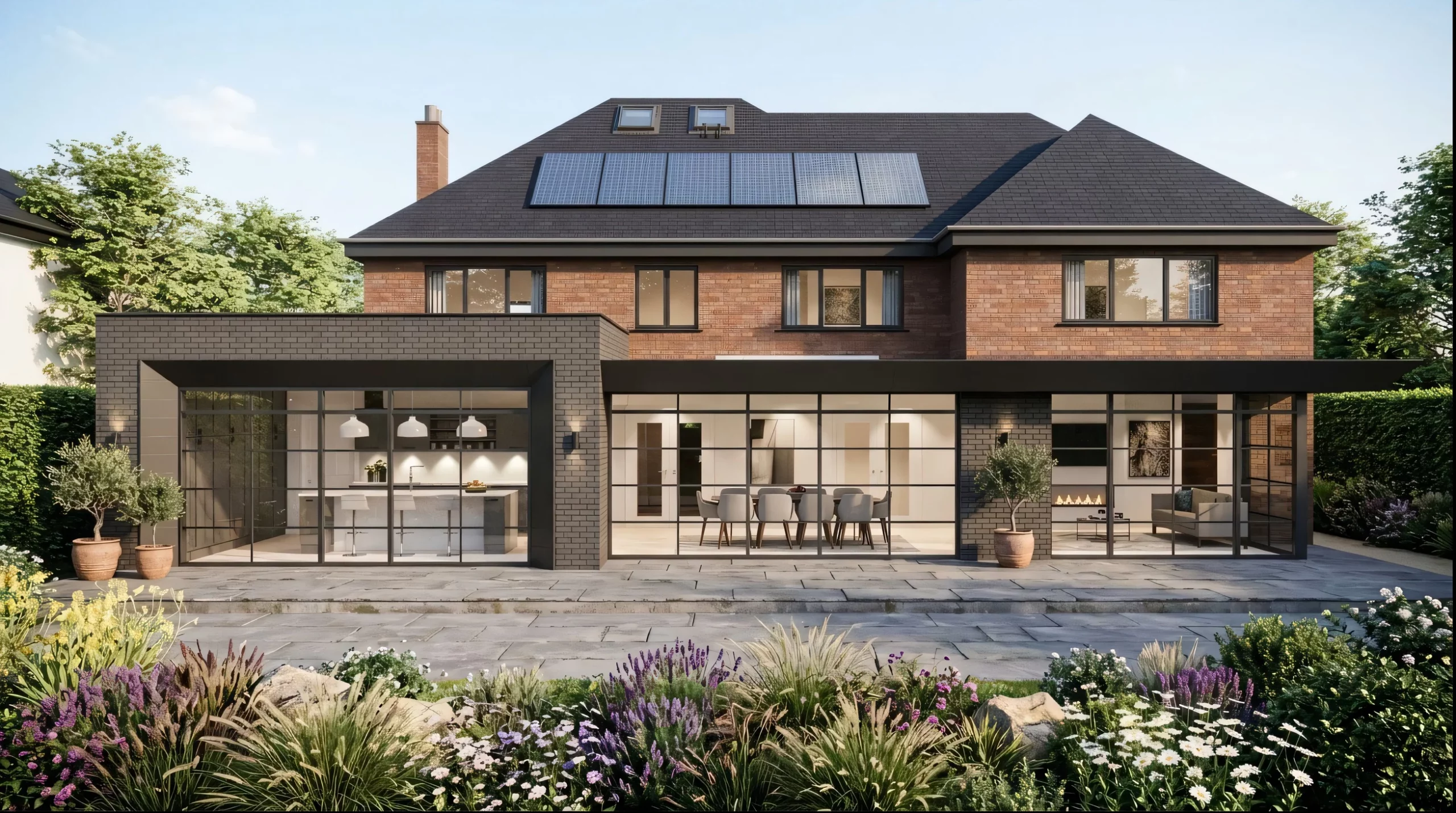
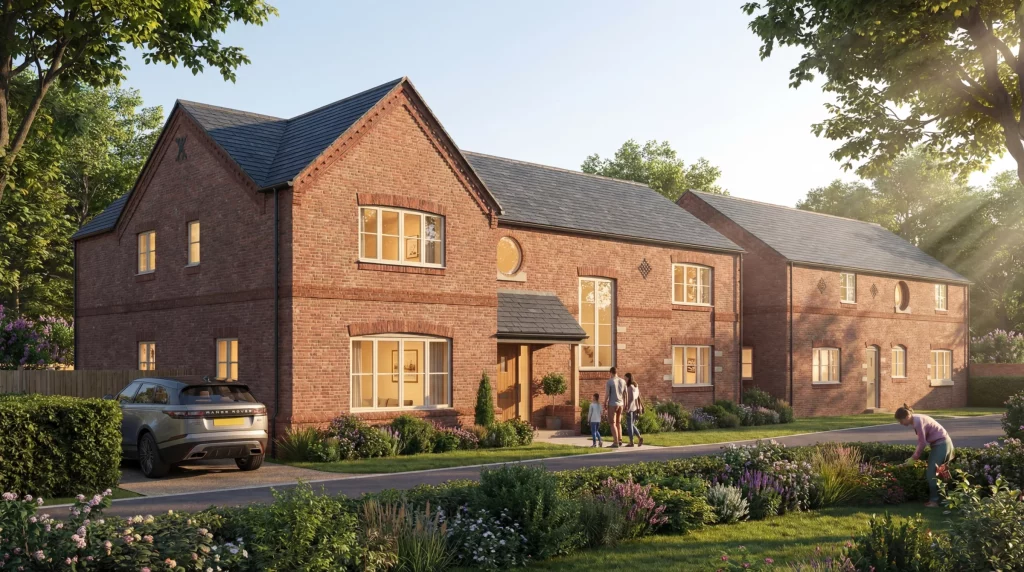
Where it helps decision-making, we produce 3D architectural visualisations as part of the design process.
We use them to understand scale, proportion and material choices before anything is fixed. For new builds and larger developments, they can also help communicate intent clearly during the planning process.
Getting the design right early in the process
Why this stage matters
If the design stage is rushed, problems tend to surface later. Planning complications, cost uncertainty, on-site decisions being made too late.
Getting the design drawings right creates a solid foundation for everything that follows, from technical drawings to construction.
It’s where we solve issues early, while they’re still easy to solve.
Working with D2
Most of our residential clients come to us when they’re at the early idea stage. Developers often approach us when assessing the potential of a site. Commercial clients typically need clarity on feasibility before committing further.
If that’s where you are, this is the right place to start.
The next step
Once planning is secured, the project moves into Technical Drawings, where we prepare the detailed building regulation and construction information required to build the scheme.
If you’re considering a project in Chester, North Wales or the surrounding areas and want to explore what’s possible, get in touch. We’re happy to have an initial conversation and advise on the right starting point.