Building Control Principal Designer
Under the current Building Regulations, projects that need Building Control approval and involve more than one contractor must appoint a Building Control Principal Designer.
It’s a statutory role. In practice, it exists to make sure the design complies properly before anything is built.
Most homeowners haven’t heard of it until they’re told they need one. But where the regulations apply, the appointment has to be made before work begins.
What is the Principal Designer role?
The Building Control Principal Designer is responsible for planning, managing and monitoring the design work so that it meets Building Regulations.
It’s all about compliance. The role ensures that the design has been thought through properly from a regulatory point of view, covering things like structure, fire safety, insulation, access, drainage, and that risks are identified before they reach site.
It’s accountability at design stage. This is separate from the CDM Principal Designer role under health and safety legislation, although in some cases the same practice may carry out both.
When is it required?
If your project involves more than one contractor and requires Building Control approval, the regulations require formal dutyholder appointments, including Principal Designer.
That commonly includes:
- Extensions
- New build dwellings
- Barn conversions
- Commercial refurbishments
- Development projects
If those appointments aren’t made, responsibility can default back to the client. The regulations are clear on this point.
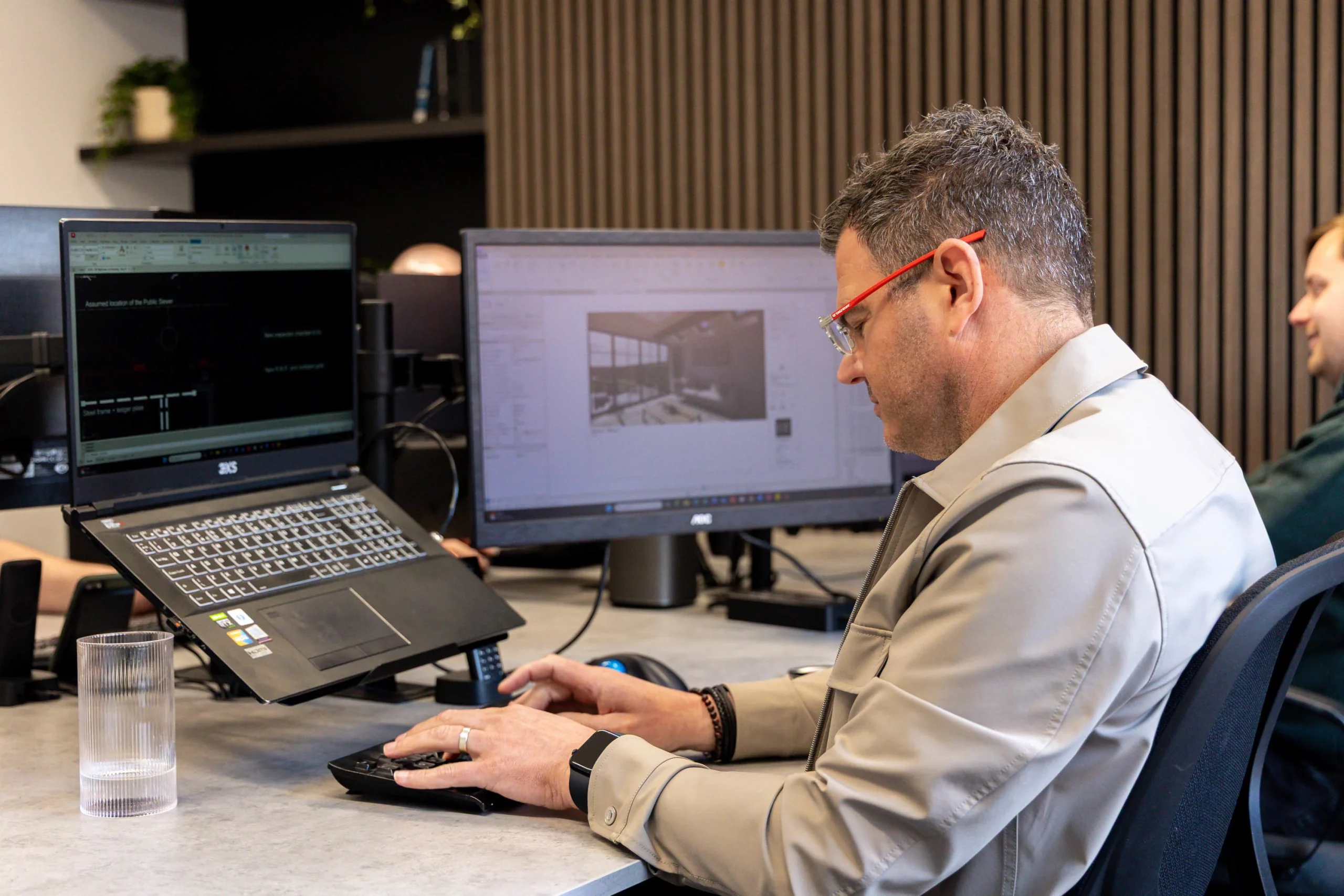
Making sure compliance is handled early
What we do
When appointed as Building Control Principal Designer, we take responsibility for managing the design from a compliance point of view.
That means:
- Reviewing and coordinating design information
- Identifying compliance risks early
- Making sure consultants’ information aligns
- Ensuring the correct declarations are made at the required stages
It’s not an extra layer of design work. We make sure what’s being designed can actually be built lawfully.
Why it matters
Building Regulations aren’t optional. If compliance issues are picked up late, they become site problems. And site problems tend to be expensive.
This role exists to deal with that early, on paper, before construction begins.
It protects the project, clarifies responsibility and reduces risk.
Working with D2
Where we’re already appointed as architect, we’re often best placed to carry out the Building Control Principal Designer role.
We understand the design, the technical detail and the regulatory framework from the outset.
If your project falls within scope of the regulations, we can confirm what’s needed and make sure the statutory appointment is handled properly from the start.