Contract Administration
Contract administration is the service we provide once construction begins. If you’re appointing a builder and entering into a building contract, someone needs to administer that contract properly. That’s where we come in.
We oversee progress on site, administer payments, manage change and deal with issues as they arise.
This service is commonly used on new build homes, larger extensions, barn conversions and commercial projects across Chester, North Wales and the wider North West.
What we actually do
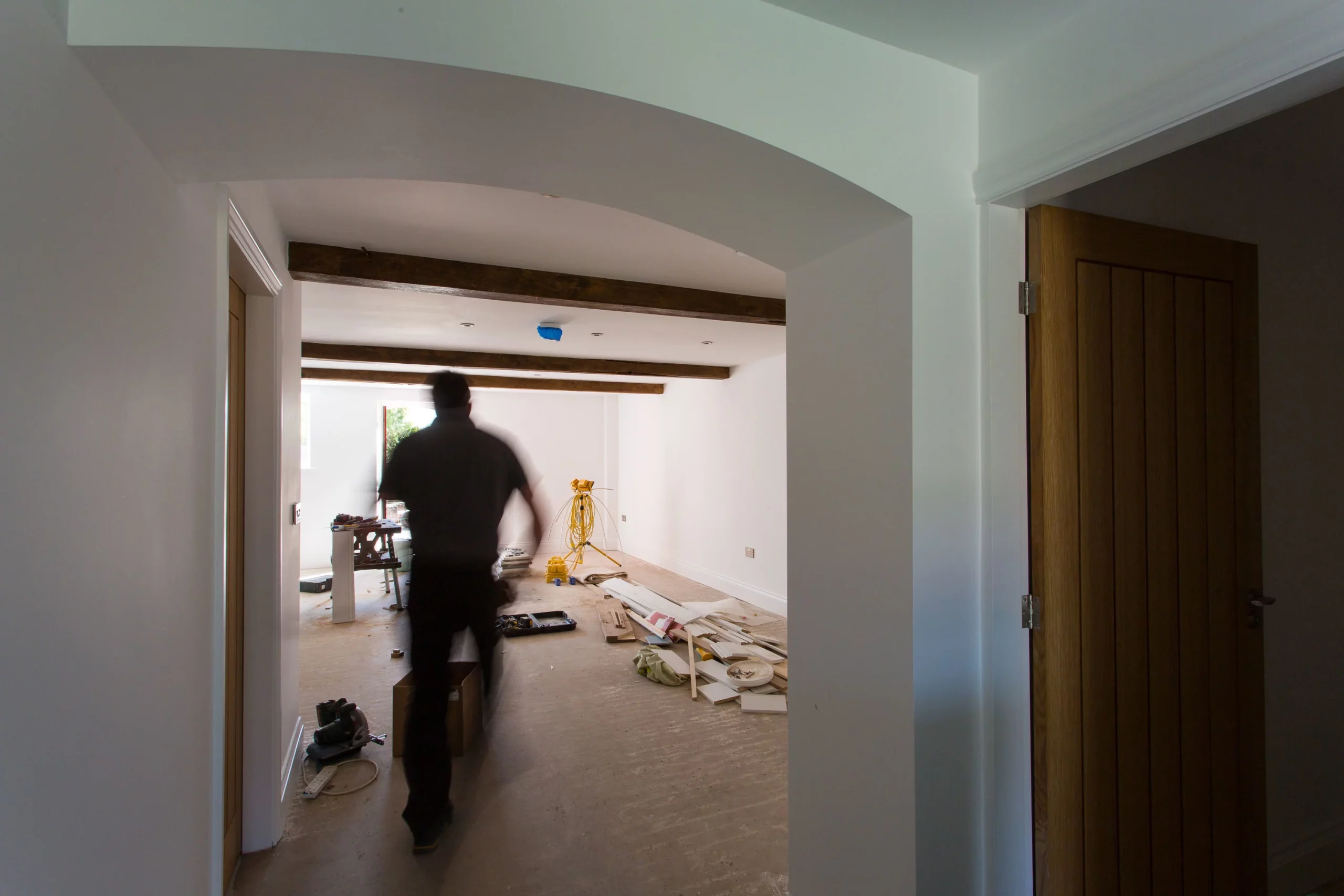
Once work starts, we stay involved. We carry out regular site inspections, typically weekly, and review the build against the drawings and specification. If something isn’t right, we pick it up early. If something needs clarifying, we issue instruction.
We’re also on the end of the phone for day-to-day queries. Builders will often uncover something unexpected – services in the wrong place, ground conditions not as assumed, a detail that needs adjusting. That comes through us first.
It keeps decision-making structured rather than reactive.
Payment certificates & interim payments
We also administer the payment process.
When the builder submits an invoice (whether monthly or at agreed stages), we assess what’s actually been completed on site. We then issue a formal payment certificate confirming what’s properly due.
You’re not just approving invoices, but paying against verified progress.
Managing variations & changes
Changes happen. Clients change their mind. Details evolve.
The key is that nothing should simply be “done and sorted later”. If something changes, it’s drawn properly, priced properly and agreed properly before it proceeds.
Without that control, small conversations on site can turn into large bills. We make sure that doesn’t happen.
If something goes wrong
If workmanship is questioned or there’s disagreement about interpretation, we review the issue against the drawings, specification and contract documents and deal directly with the contractor.
Sometimes it’s a genuine issue. Sometimes it’s a misunderstanding. Either way, it’s assessed properly.
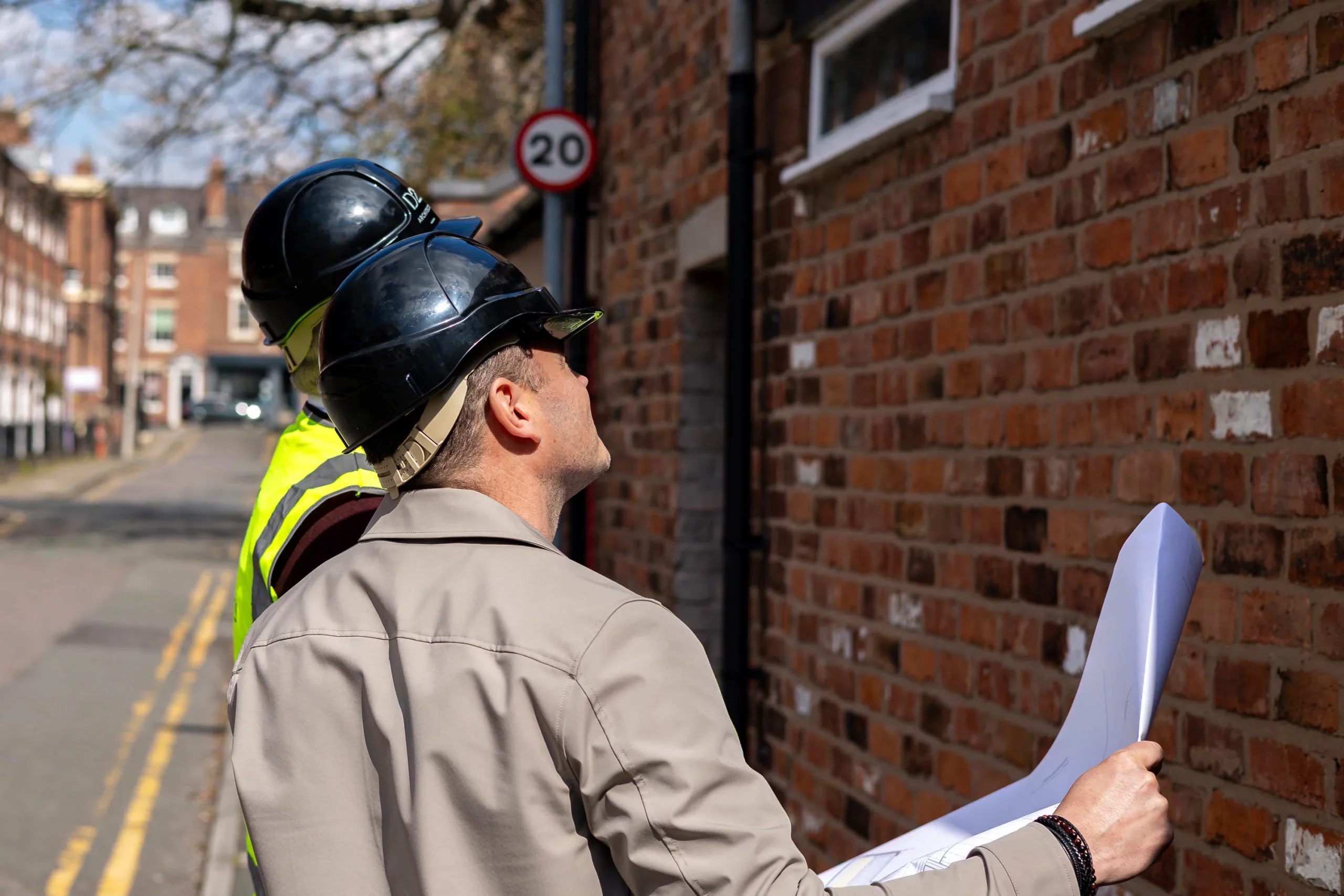
For example, a client might be unhappy with brickwork, a junction detail or the positioning of an opening. We attend site, review the work and determine whether it aligns with the agreed information. If it doesn’t, it’s addressed. If it does, we explain why.
The role is to remove assumption and emotion from the situation. Construction projects can become tense when decisions are made informally. Our involvement keeps everything tied back to what was agreed at the outset.
Working with D2
If your project is moving into construction and you want structured oversight during the build, we can act as contract administrator.
That means weekly inspections, payment certification and controlled change management from start to completion. We’ll help keep the build organised and accountable.