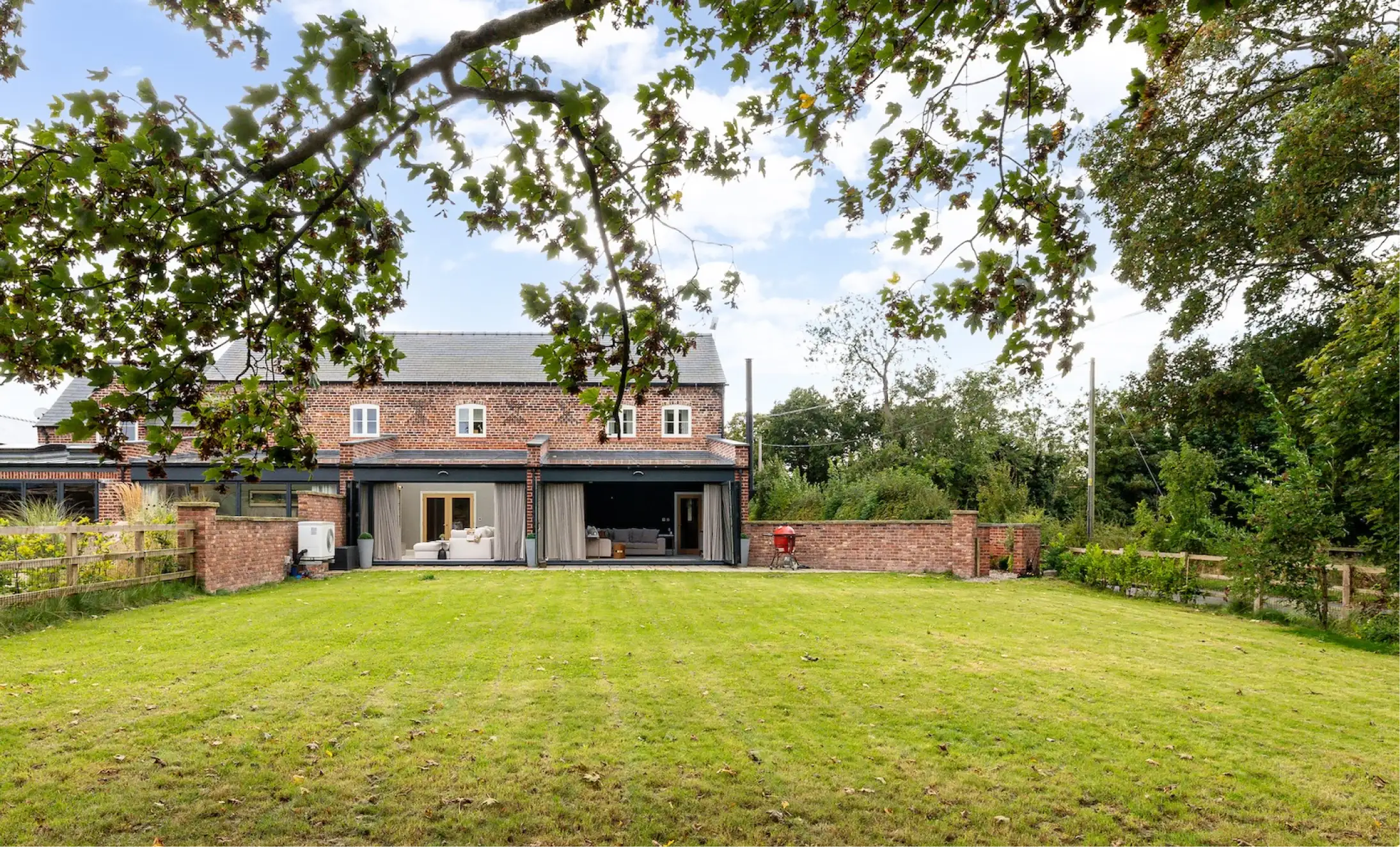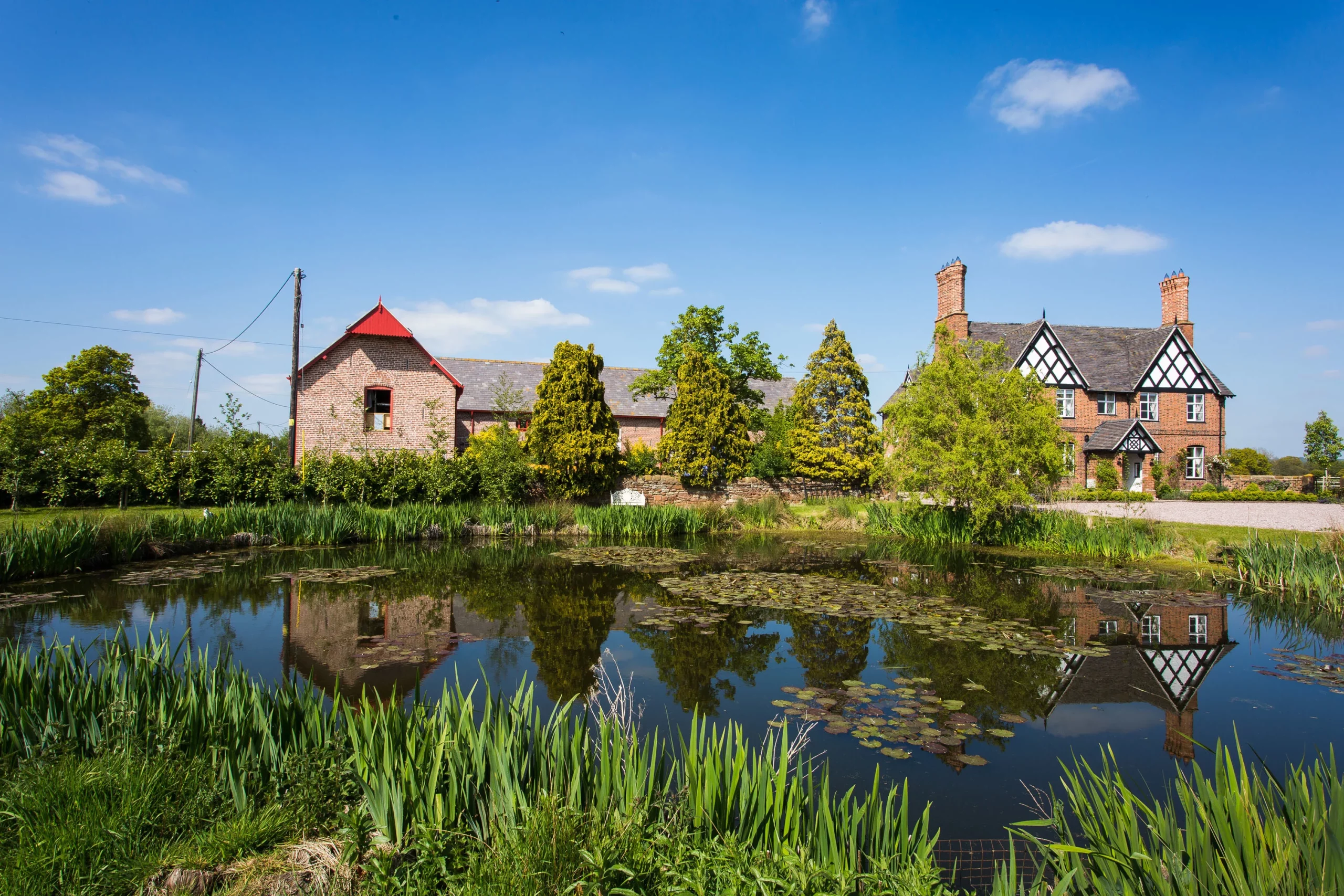
Hoofield Barns
Converting Grade II Listed barns while keeping character
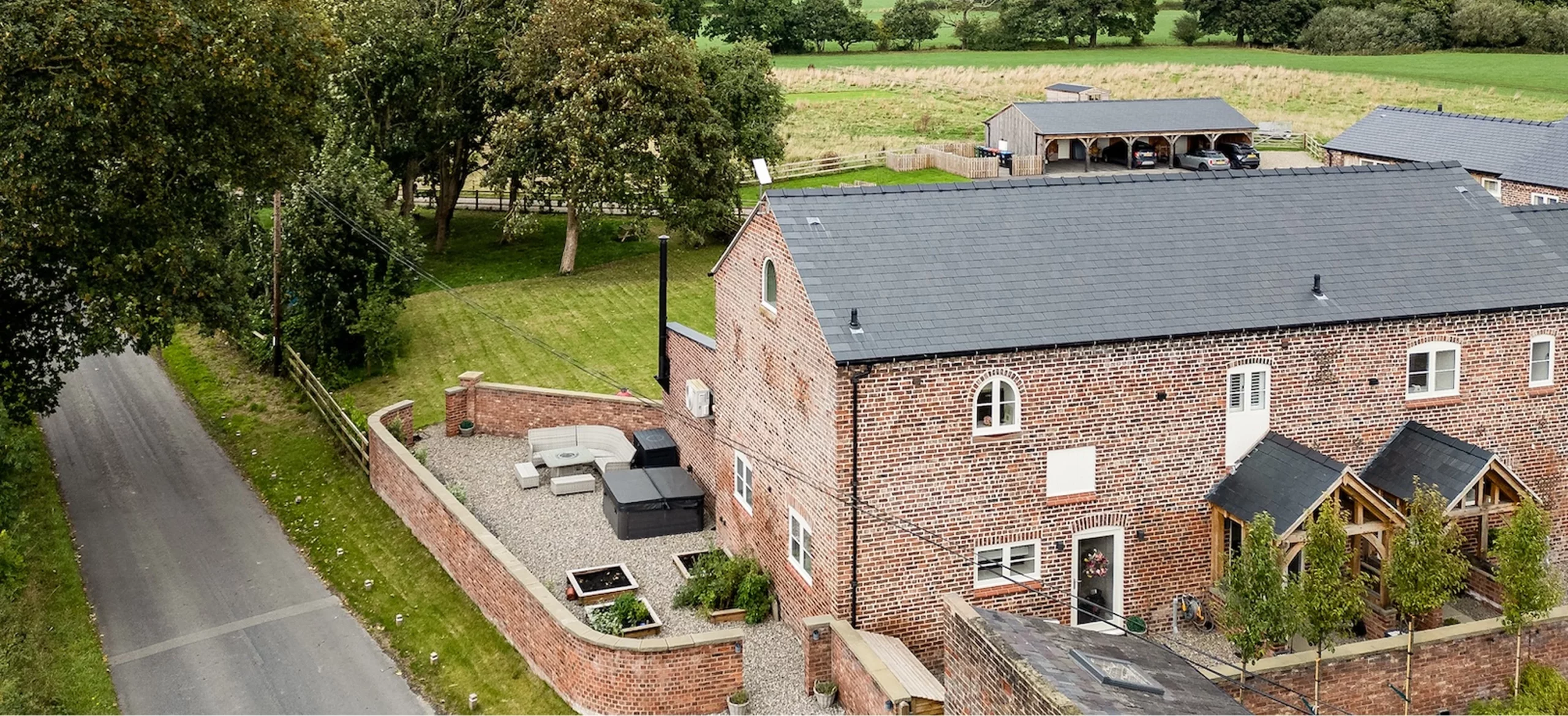
Barn conversions look simple at first glance. Good structure. Character. A straightforward change of use. In practice, they rarely are.
Most barn projects sit in open countryside or Green Belt locations. That means planning policy matters. Structural condition matters. Access, ecology, drainage and neighbouring impact all come into play early. What feels like a design exercise is usually a planning and technical exercise first.
Complexity aside, barn conversions can create a type of space that’s hard to replicate in new build homes. They’re simple in form, but generous in volume, allowing for light, open interiors with a strong sense of proportion.
Original features and the relationship to the surrounding landscape contribute to a more characterful way of living. It’s what draws people to them, but those qualities only work if they’re handled carefully. When it’s done well, a barn conversion works with the existing building rather than trying to change it into something else.
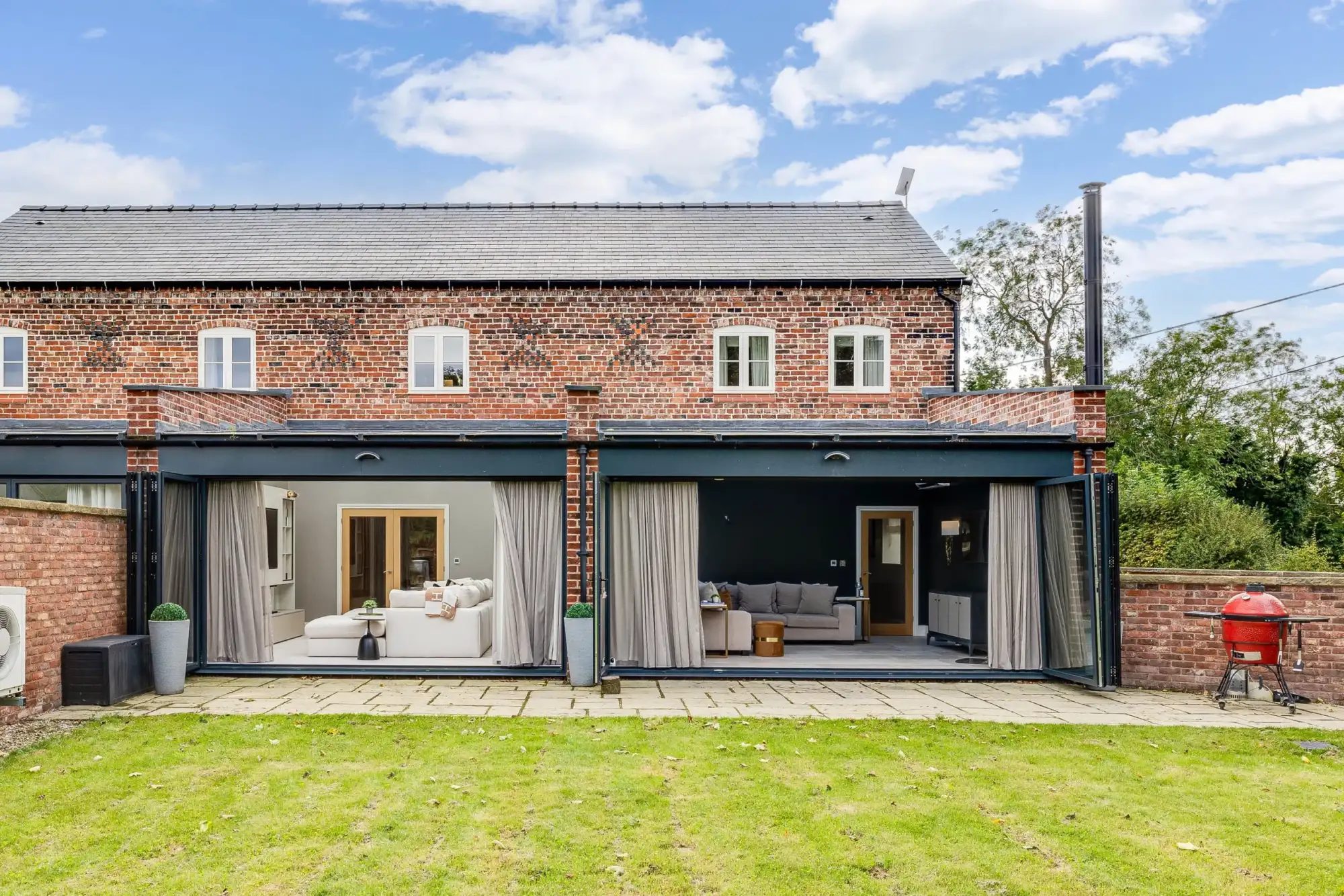
The starting point is always the building itself.
Is it structurally capable of conversion without substantial rebuilding? Does it qualify under Class Q or does it require a full planning application? How much alteration will the local authority accept before it is considered a new build in disguise? These questions shape the direction before layout is even discussed.
In rural authorities across Cheshire and North Wales, scrutiny is high. Agricultural buildings are not viewed as blank canvases. Over-domestication, excessive glazing or heavy extensions can quickly undermine an application.
Our role is to understand that policy position early and shape a proposal that stands up to it.
A successful barn conversion is about judgement. Retaining structural rhythm, working with existing openings. Introducing insulation, structure and services without stripping the building of its character.
Older barns often come with uneven walls, shallow foundations and limited head heights. That affects everything from structural design to thermal performance and compliance with current Building Regulations.
We coordinate closely with structural engineers and building control to resolve those constraints properly, not retrospectively once issues appear on site.
The goal is to create a home that works comfortably, performs thermally and satisfies regulation without losing the building’s integrity.
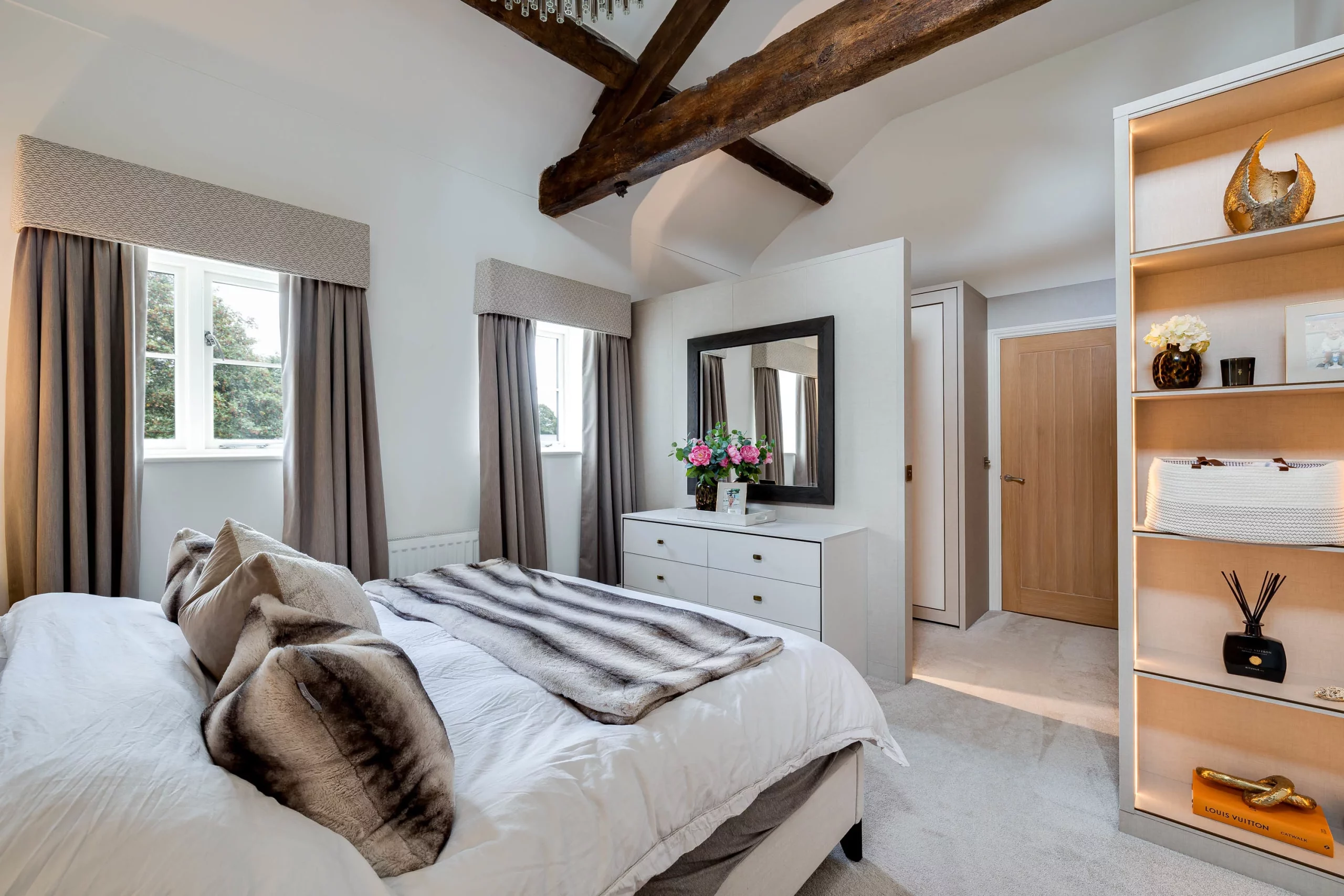
Barns were never designed to be lived in.
Technical drawings matter more on conversions than many new builds. Assumptions on site quickly become expensive if details haven’t been resolved properly.
We produce coordinated information so contractors understand exactly what’s being retained, what’s being replaced and how new work interfaces with old structure. That clarity protects both cost and programme.
They require:
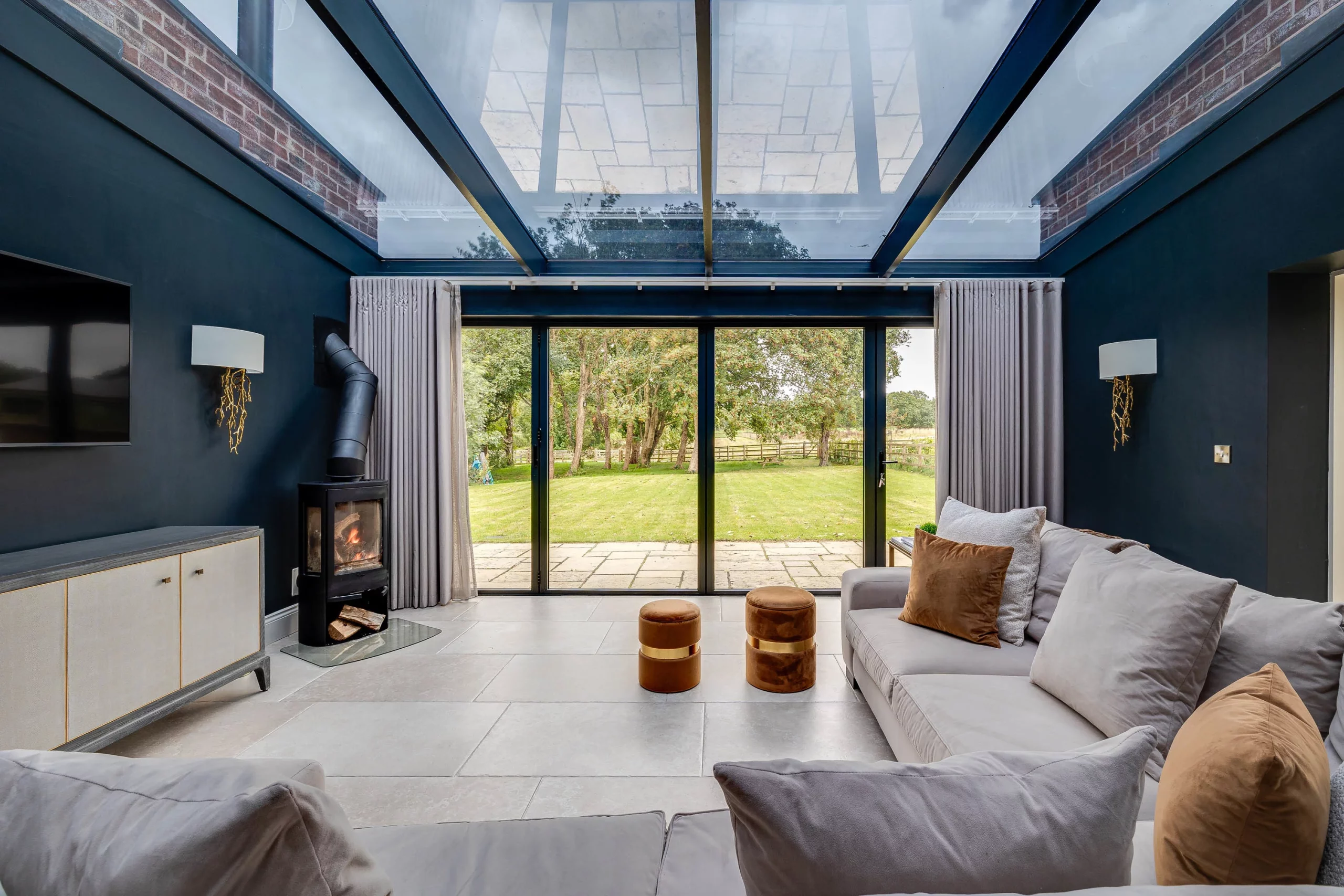
Most barn conversion clients appoint us from feasibility through to technical design and construction support.
Continuity matters on projects like this. Decisions made at planning stage affect structure, detailing and cost later on.
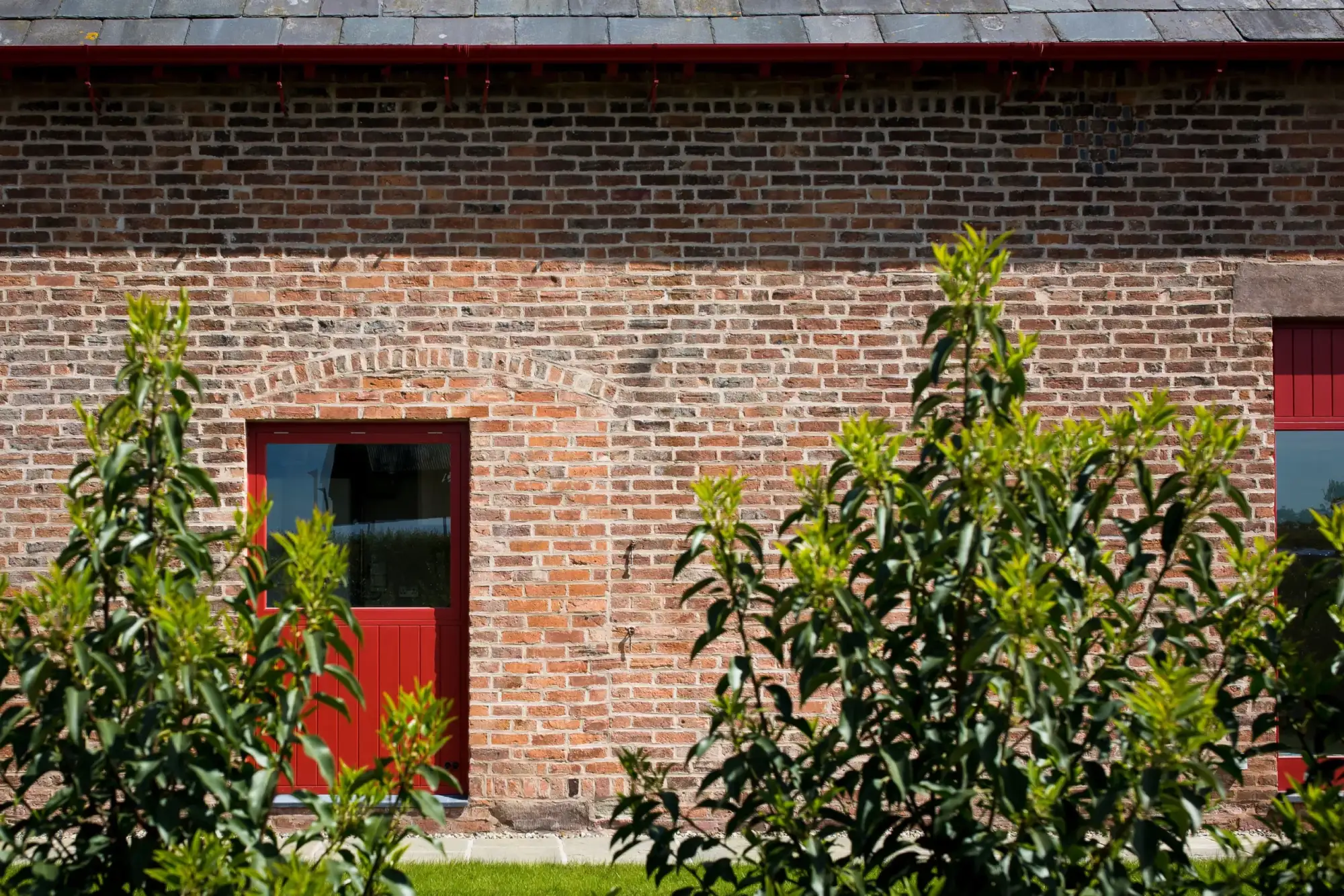
Start with a clear assessment of what’s realistic – structurally and in planning terms.
Barn conversion projects in rural and heritage settings
Answers to some of our most common residential project questions.
No, not all. Structural condition and policy position are critical. Some buildings simply aren’t suitable without substantial rebuilding, which can undermine planning support.
Not necessarily. It depends on the building and the proposed level of alteration. In some cases, a full application provides more flexibility.
Often not. Structural upgrades, insulation and compliance work can make conversions comparable in cost – sometimes more.
Yes. Conversions benefit from structured oversight because unforeseen conditions are more common than on new builds.