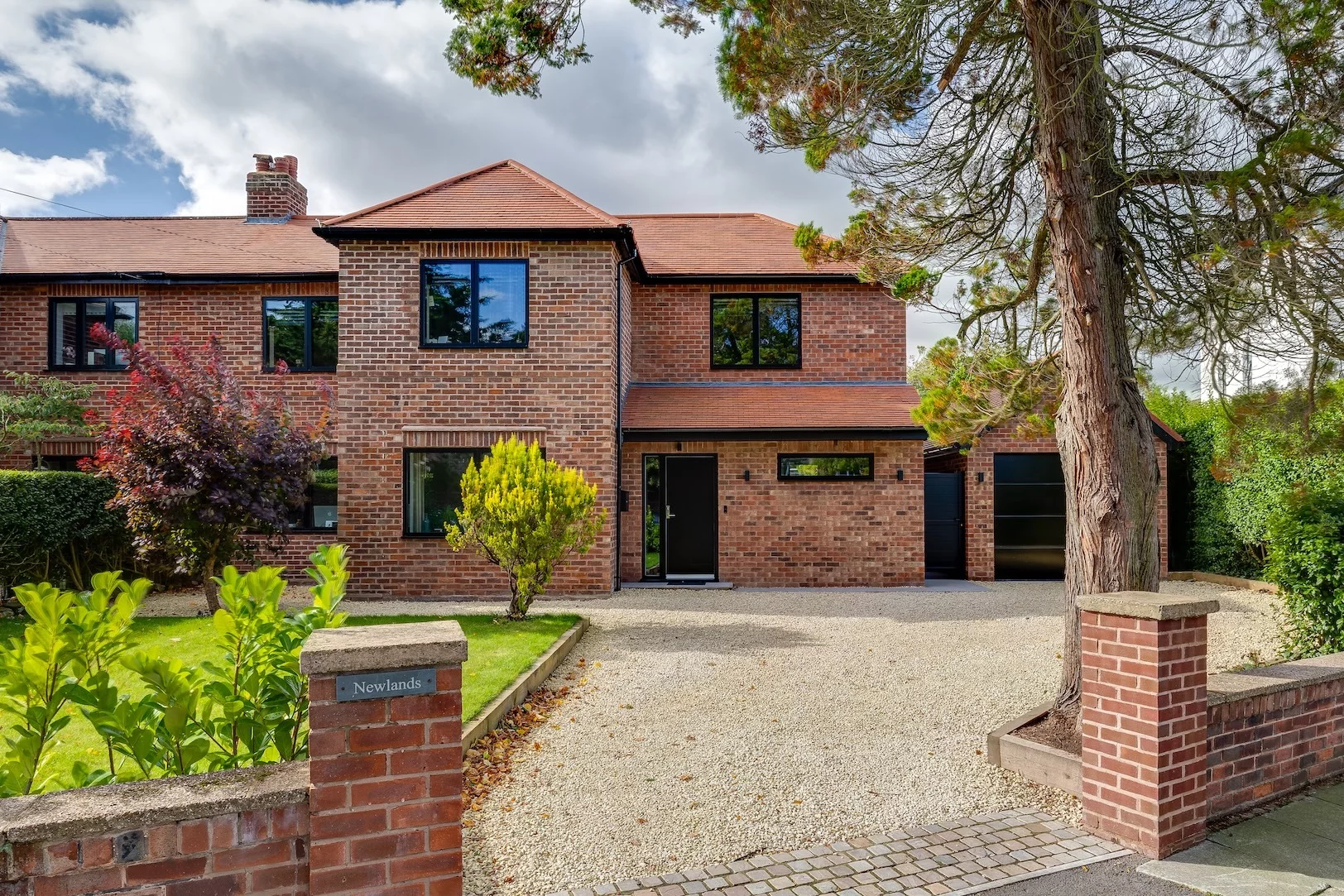
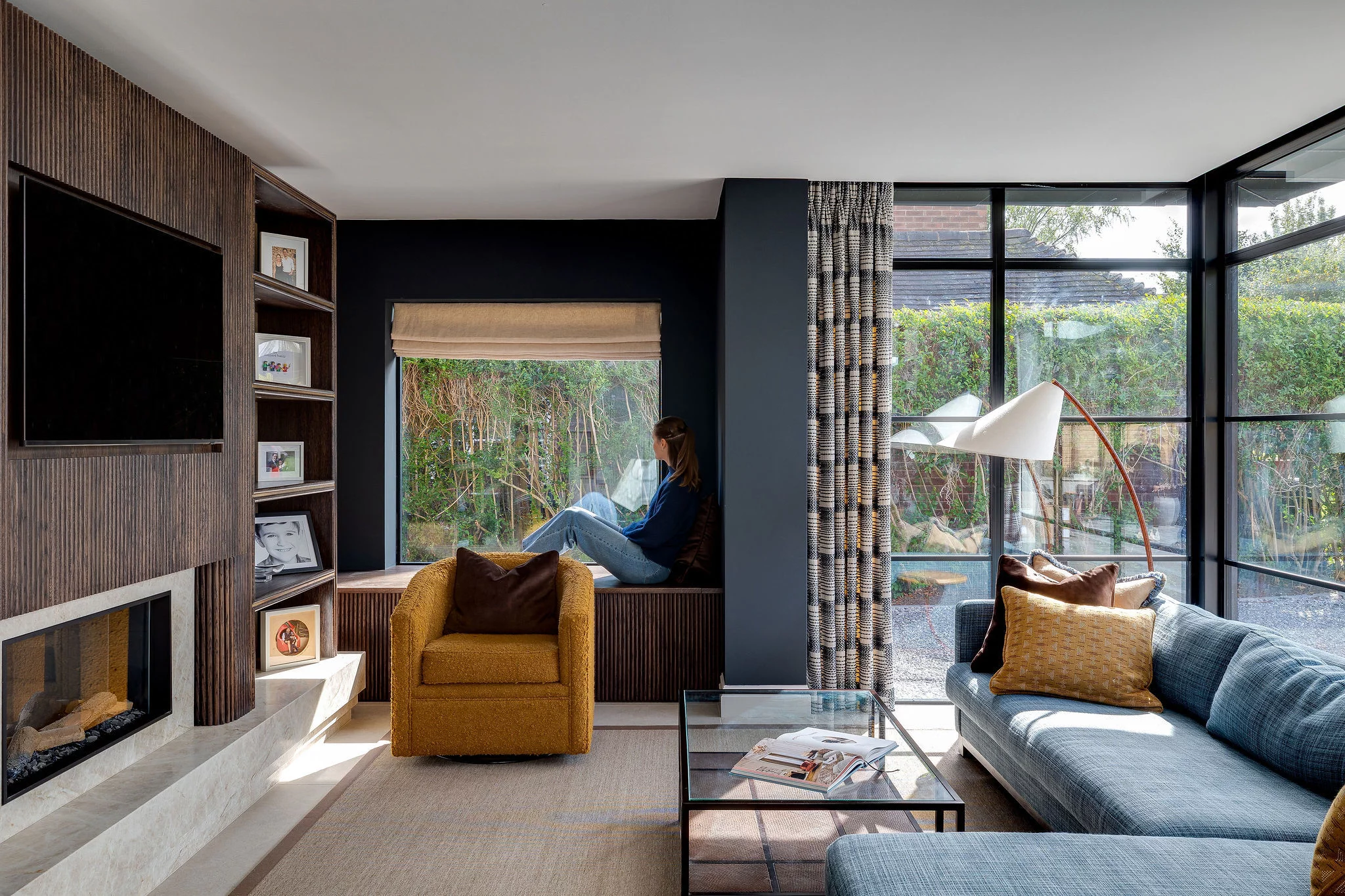
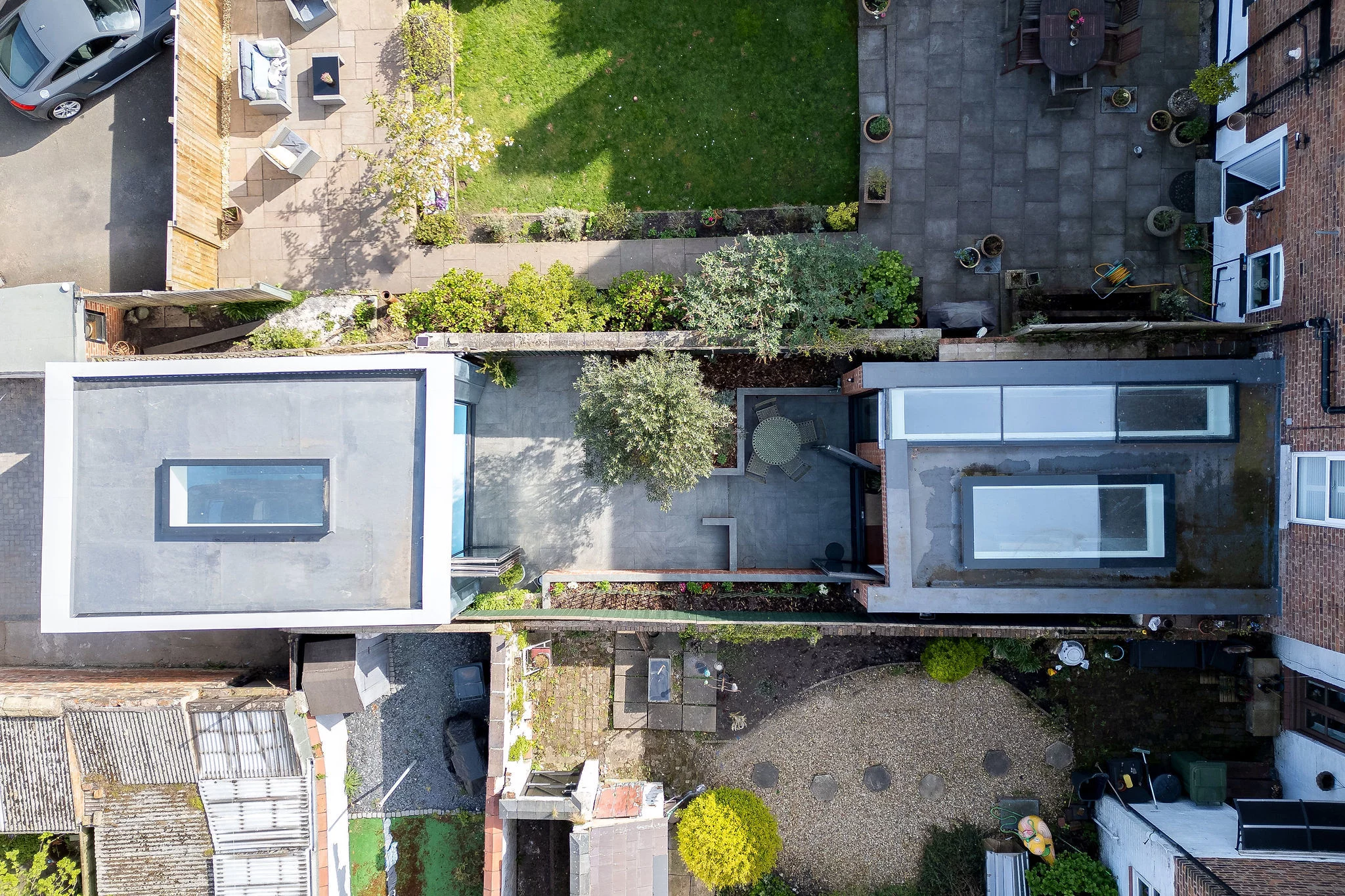
Zinc Gable House
Reworking an Arts & Crafts house for modern family living
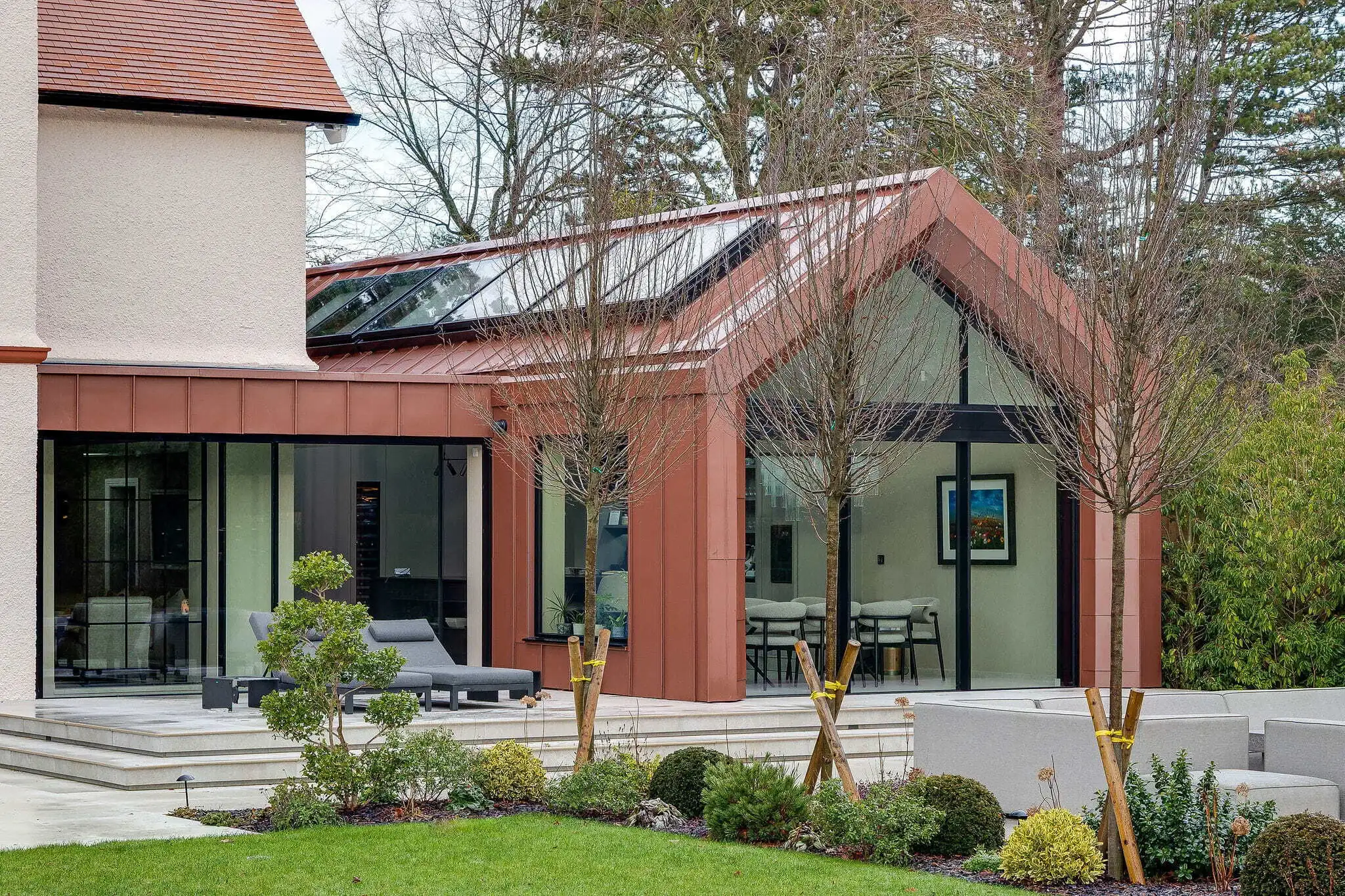
An extension isn’t just additional square footage. Done properly, it changes how the house functions. Circulation improves, light improves – the relationship between rooms improves. The building feels resolved rather than added to.
Done badly, it’s just more space attached to an existing problem.
The biggest risk with extensions is designing too quickly. It’s easy to draw a larger kitchen. It’s harder to step back and ask whether the existing layout is the real issue.
Sometimes the best outcome involves internal reconfiguration alongside the extension. Sometimes it means building less than originally expected. Improvement is just as important as expansion.
Before proposing anything, we look at:
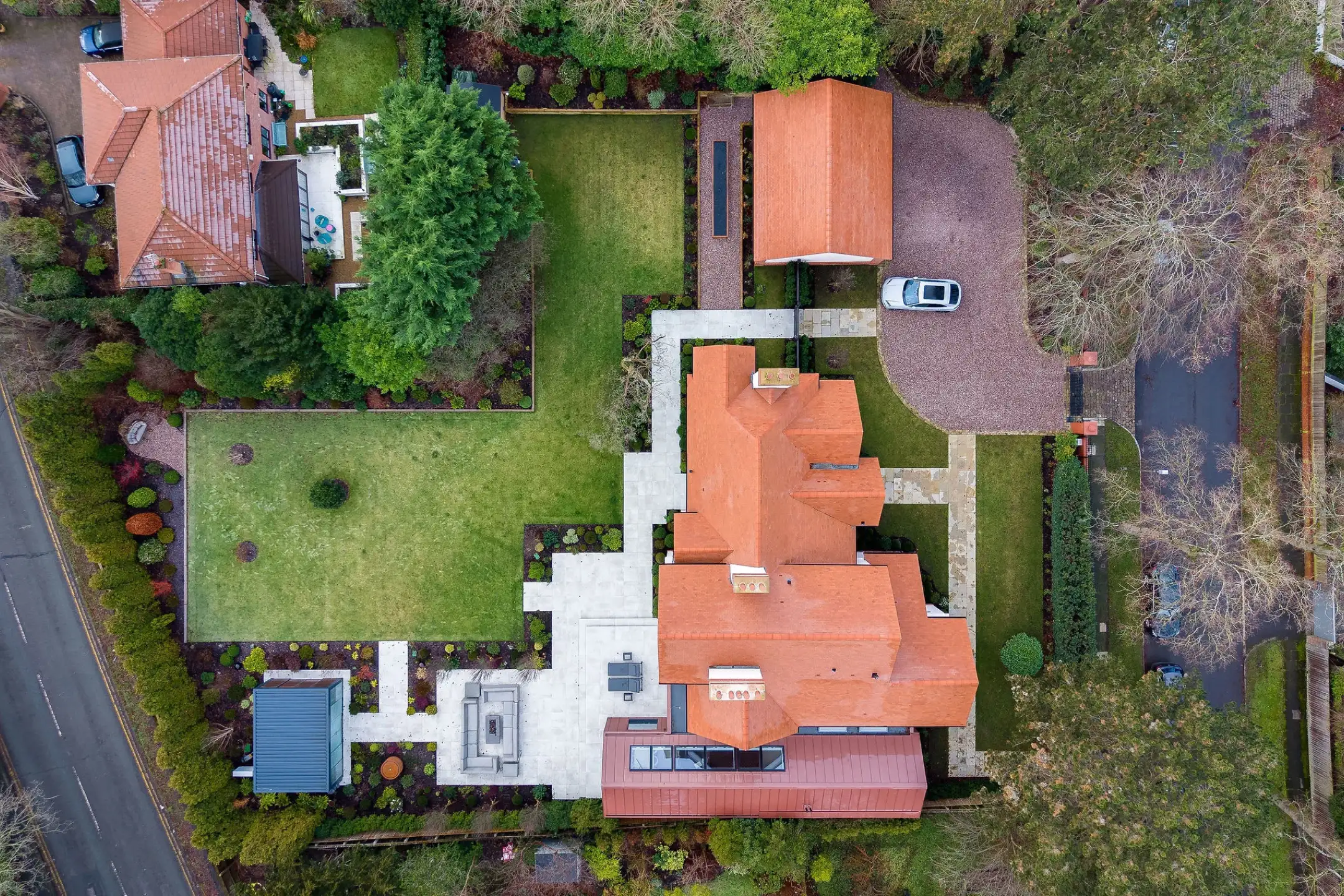
Most extensions fall under householder applications. That doesn’t make them straightforward.
Local authorities still assess scale and proportion, impact on neighbours, character of the area, and Green Belt policy.
In parts of Cheshire and North Wales, scrutiny around design quality and neighbour impact can be significant. Overly dominant extensions or poorly considered glazing strategies are often where applications struggle.
We test proposals against policy before submission. That reduces the risk of revisions later.
In some cases, permitted development rights apply. But relying on PD without understanding the detail can be risky. Depth limits, height restrictions, proximity to boundaries and Article 4 directions all influence what’s actually allowed.
Where appropriate, we advise on lawful development certificates to provide certainty before work begins. Clarity early avoids disputes later.
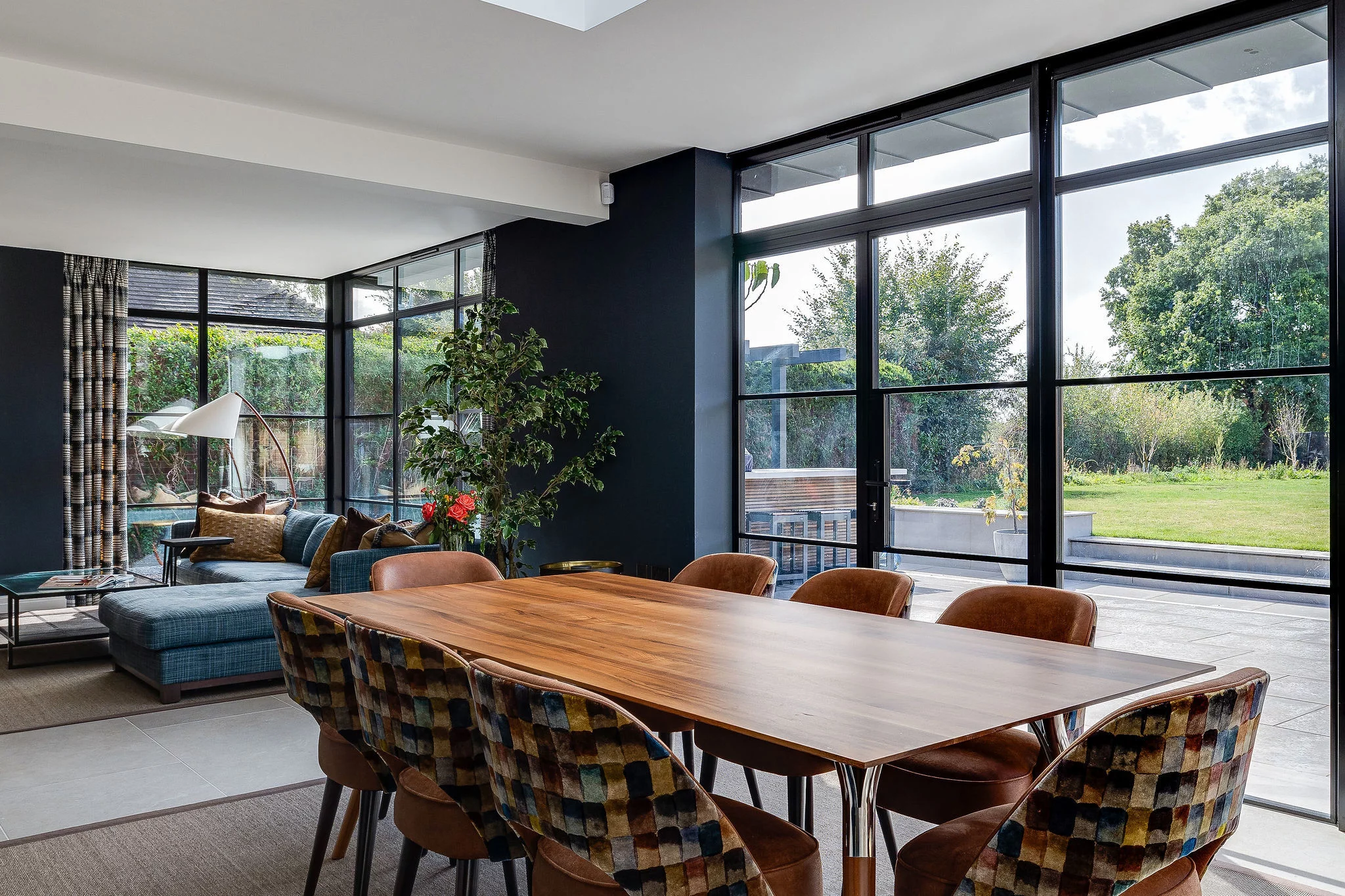
Extensions regularly involve more structural work than clients expect.
Taking out load-bearing walls. Introducing steelwork. Altering floor levels. Upgrading insulation to meet current standards. Resolving how new construction physically connects to old.
None of that is cosmetic. It affects cost, sequencing and how the building performs long term.
The junction between existing and new fabric is where most problems sit. Things like thermal bridging, movement, water ingress – poorly resolved details that only show themselves once the building is in use.
That’s why we produce properly coordinated technical drawings. Contractors shouldn’t be working things out on site. Clear information reduces interpretation, limits variations and keeps the build controlled.
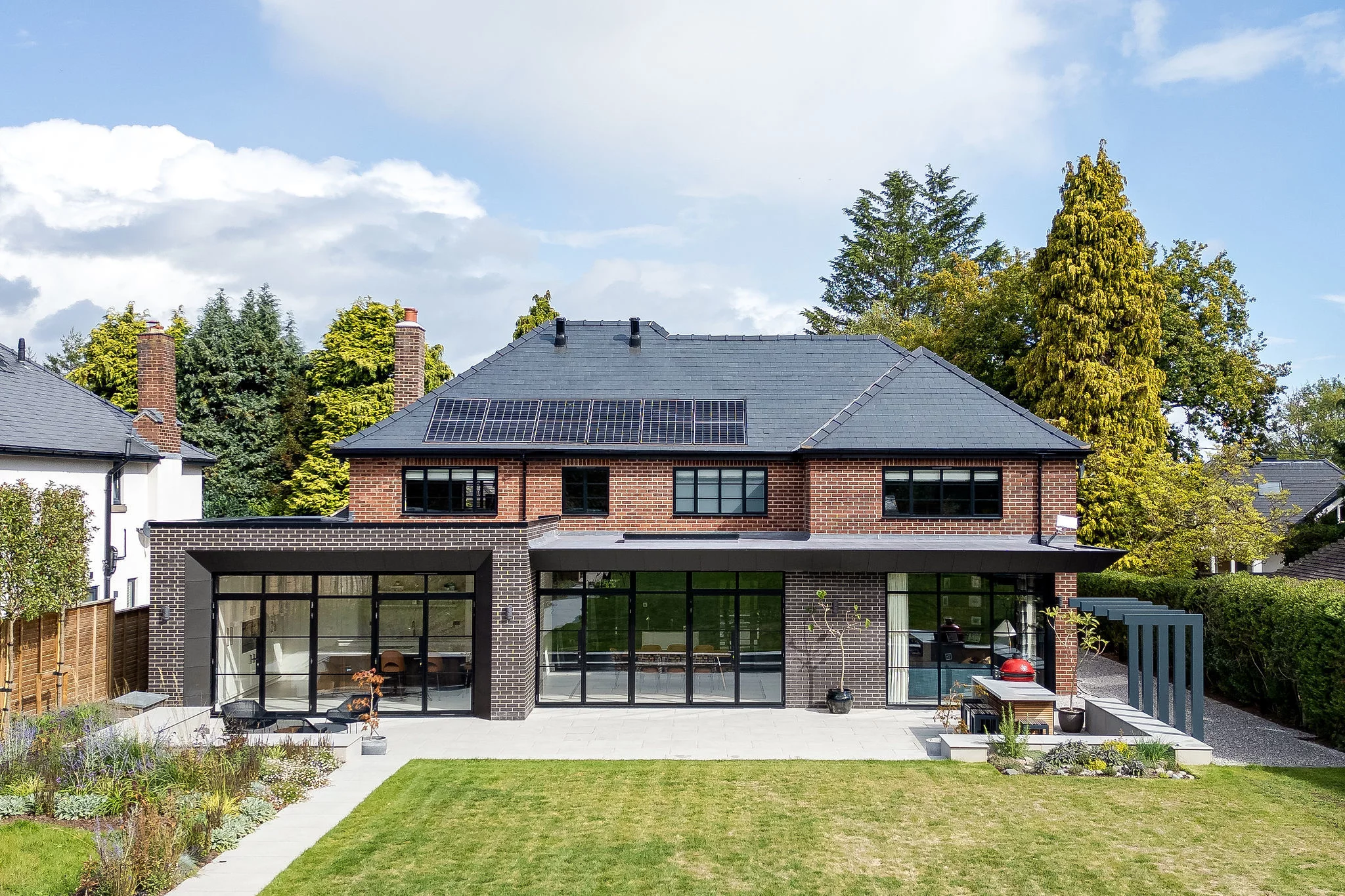
Most extension clients appoint us from early feasibility through to technical design.
Even smaller projects benefit from defined stages.
A structured process avoids rushed decisions, protects the design intent and keeps cost and programme under control.
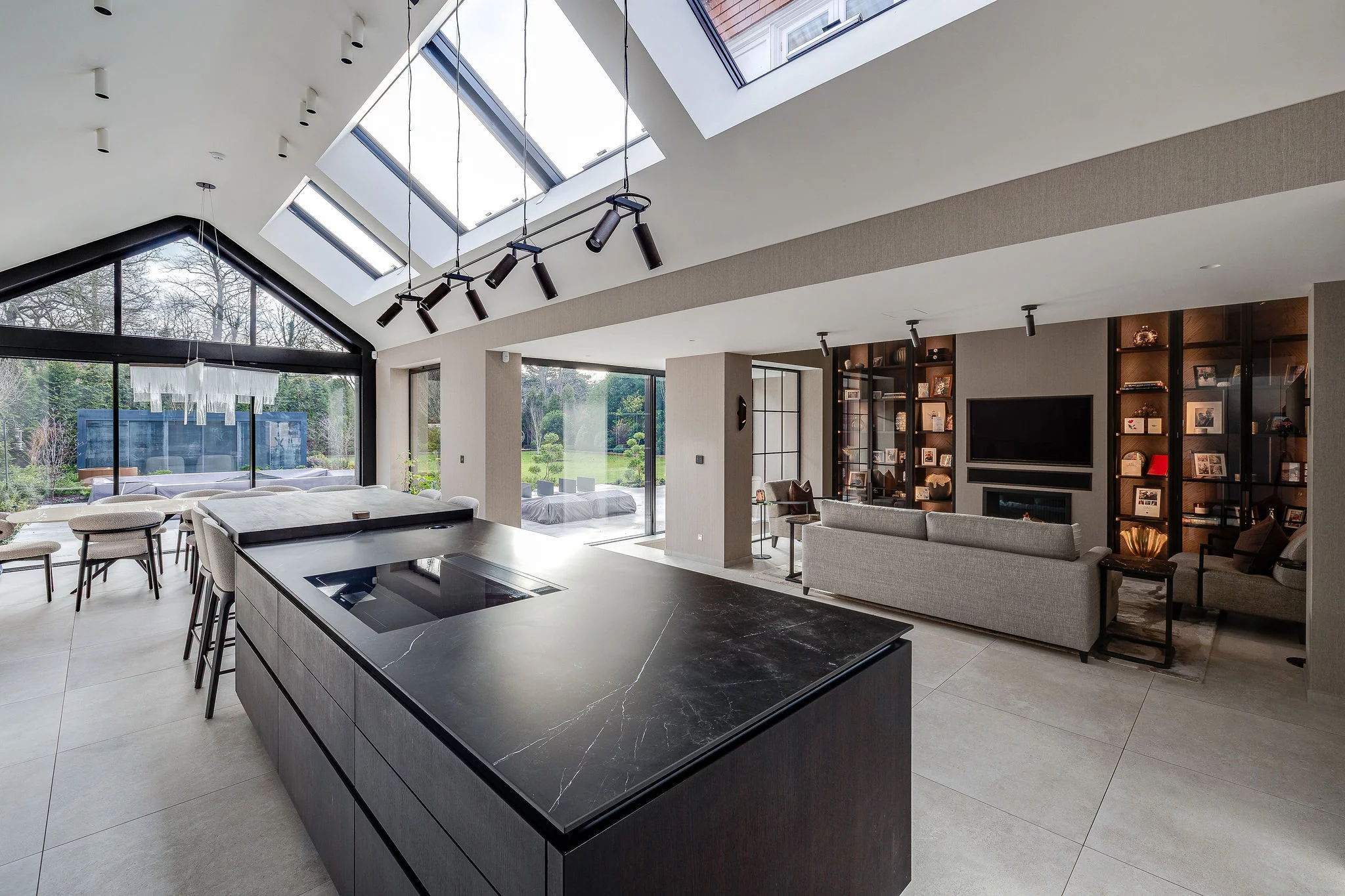
Start with a conversation about how the house should work – not just how much bigger it needs to be.
Extension and remodelling projects across existing homes
Answers to some of our most common residential project questions.
Many do. Some fall under permitted development. We assess the correct route before design progresses too far.
We’ll take a clear brief, but it doesn’t need to be fully formed. Keeping it open early allows better solutions to emerge.
Yes. Many extensions sit within planning constraints. The key is proportion and policy awareness.
Yes, we do. Ongoing involvement reduces uncertainty and keeps decisions structured.