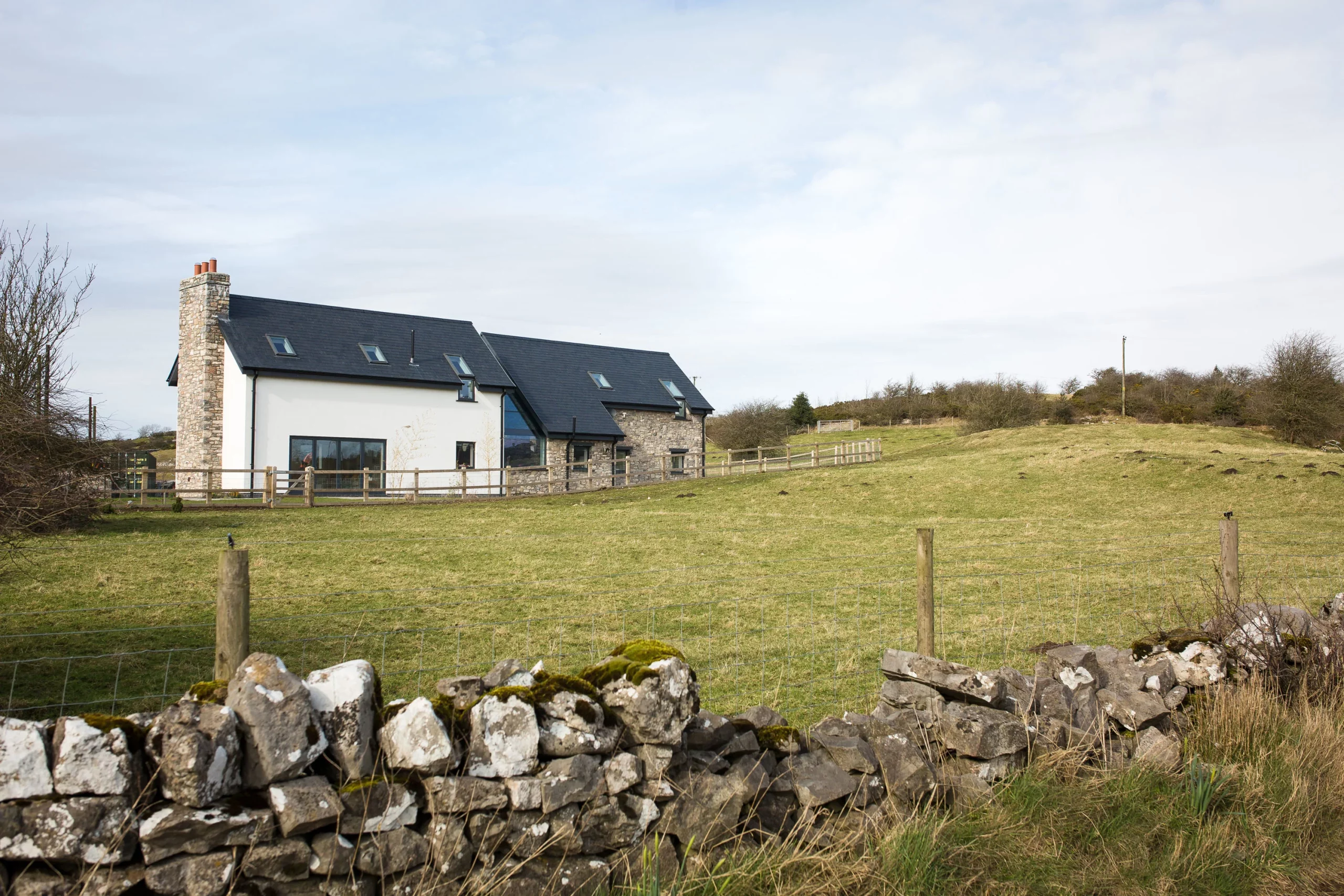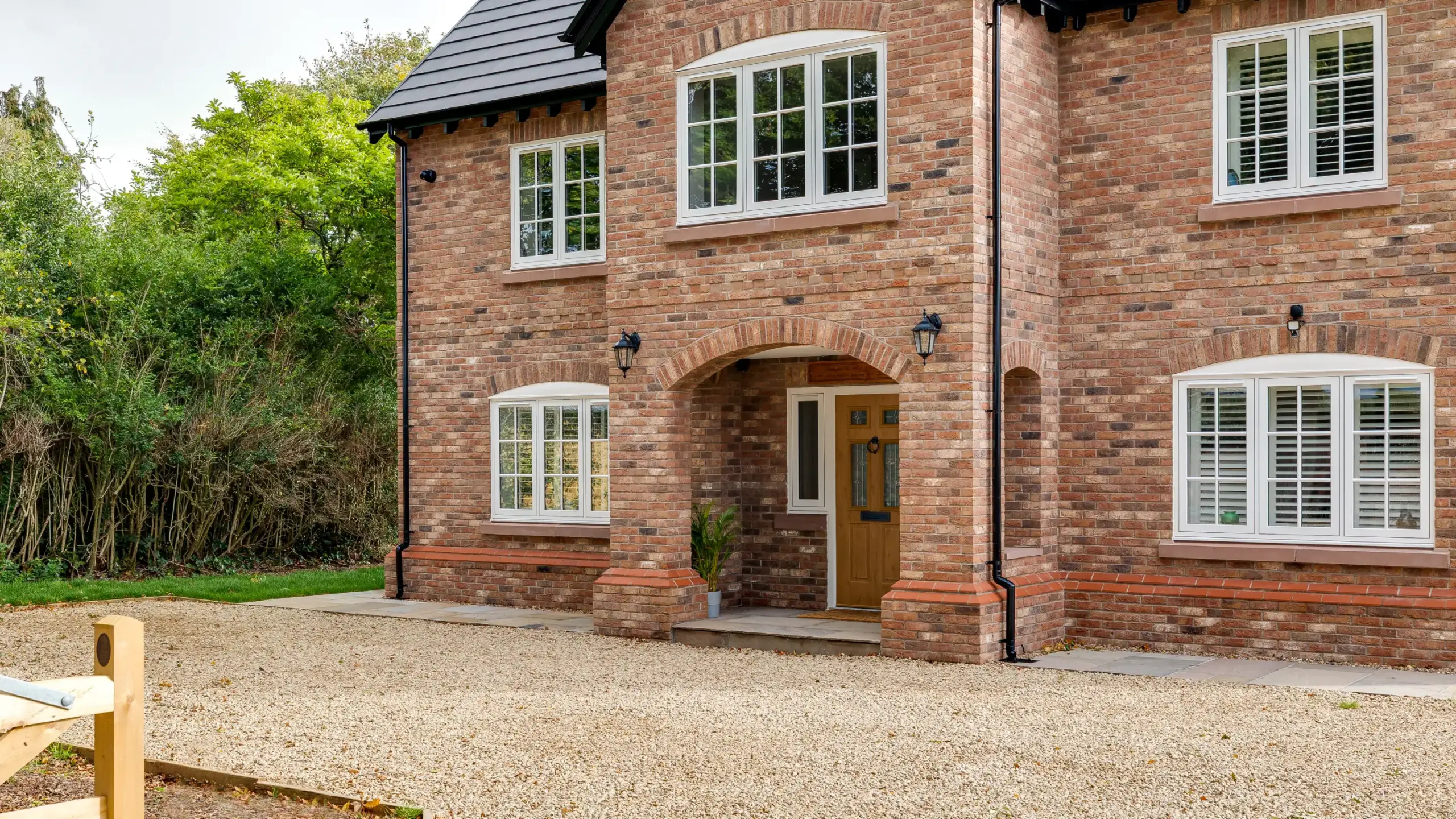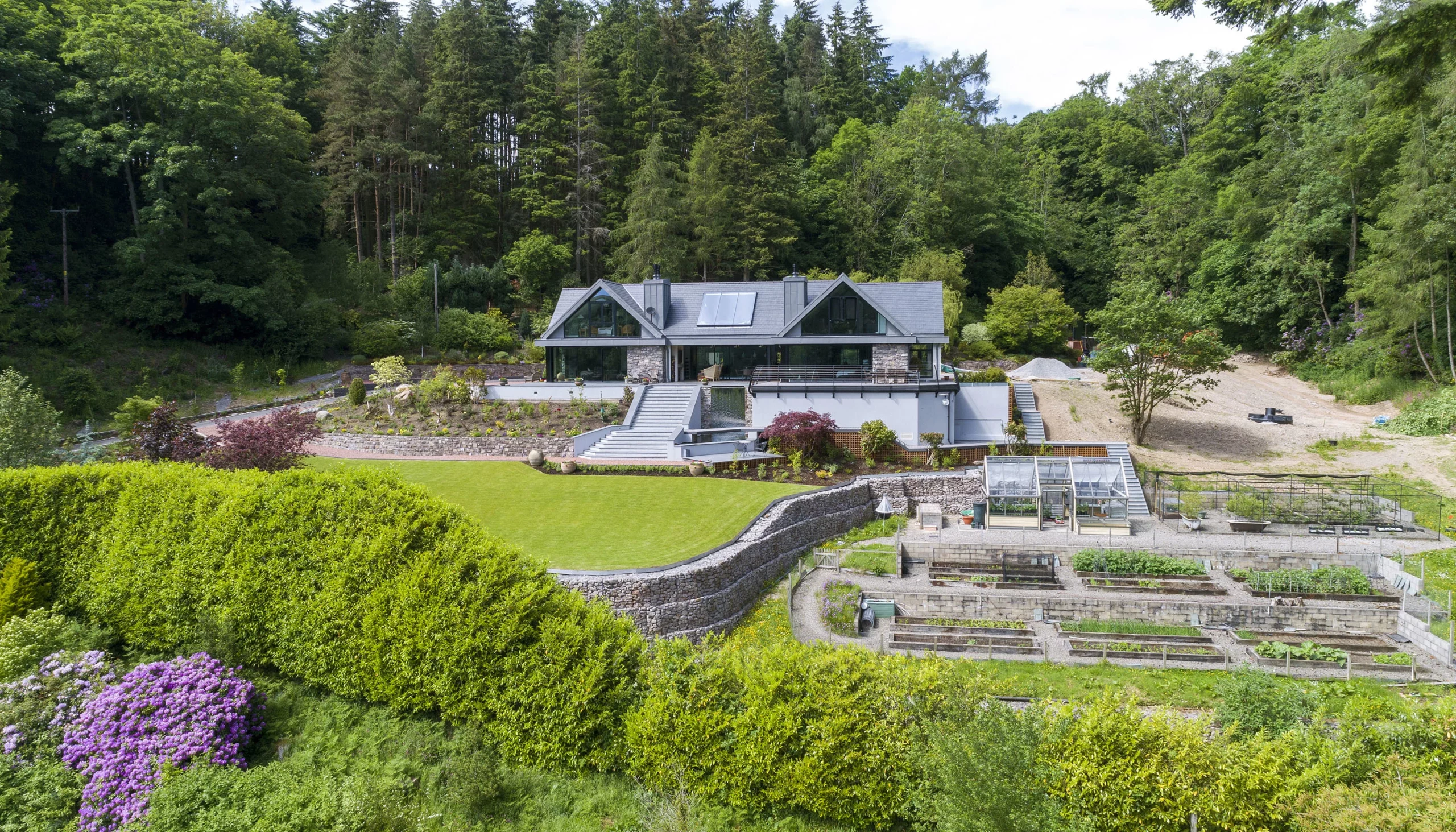
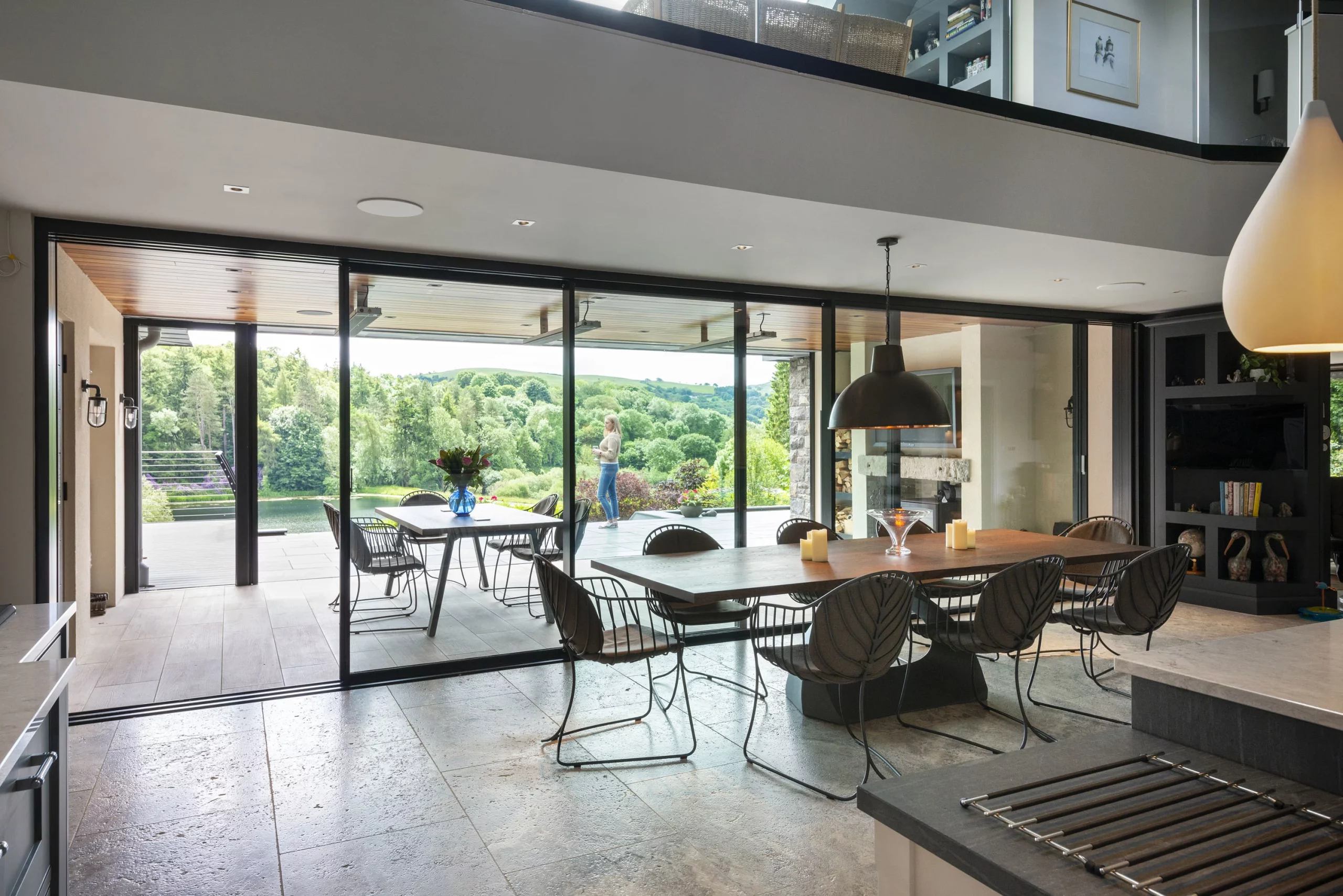
Silvermere
A modern lakeside home defined by craft and detail
New builds rarely begin with a blank sheet of paper. Planning position and site context usually determine what’s realistic before design begins.
Our role is to assess that position early and structure the project around what will stand up. We see site constraints not as limitations, but as opportunities to create smarter, more imaginative architecture. The challenges of a site often shape the most distinctive and successful design solutions.
A new house doesn’t begin with a floor plan.
We begin by looking at settlement boundary position, Green Belt or countryside policy, planning history, access, drainage and relationship to neighbouring properties. The principle of development matters as much as the design itself.
Because we deal with planners regularly, we understand where proposals are likely to receive scrutiny, and where they’re more straightforward. That allows us to shape schemes that are proportionate from the outset rather than defending over-ambitious designs later.
At feasibility stage, our role is to test ambition against policy and provide a clear, measured view of risk before significant time or cost is committed.
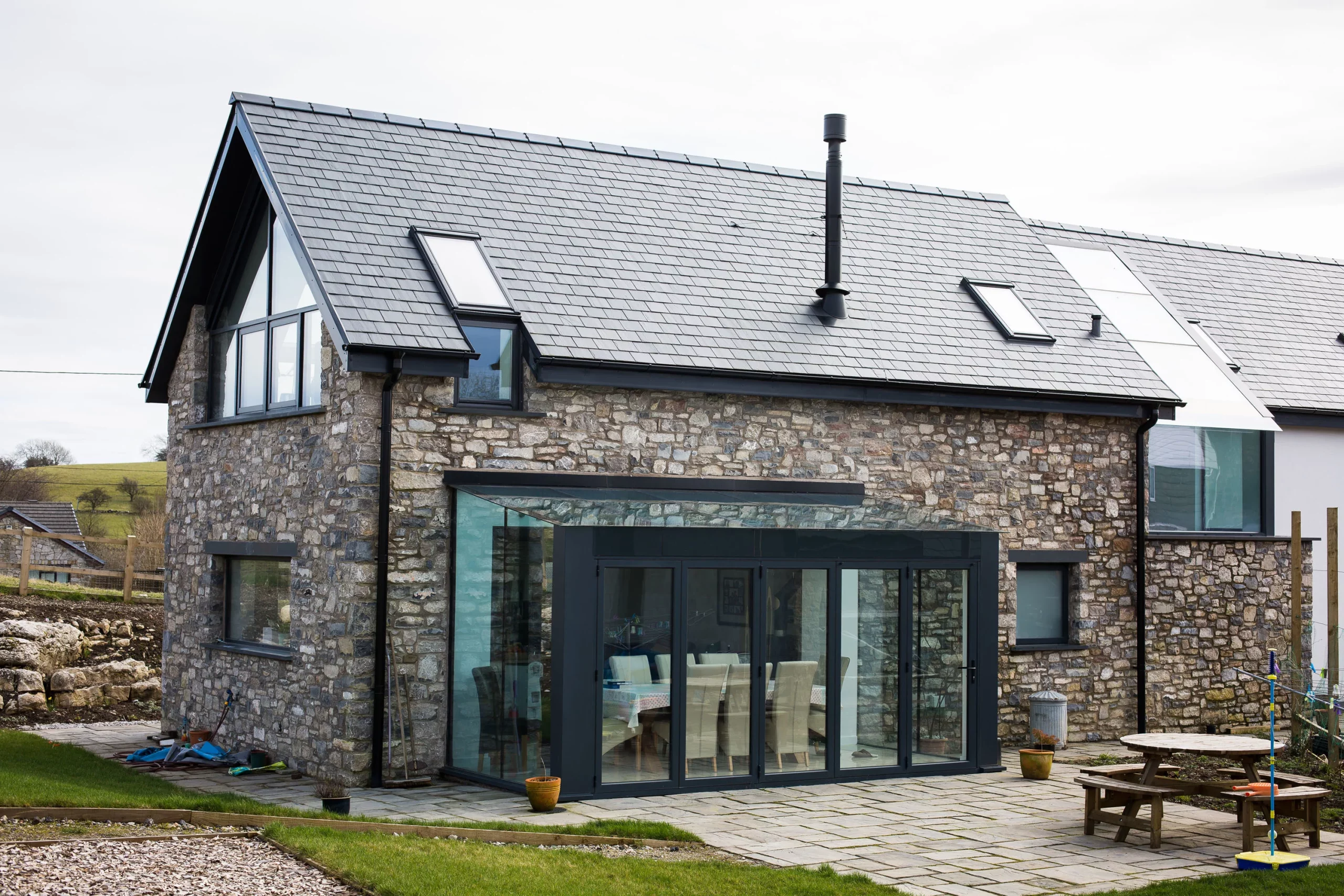
There’s a balance with new builds. We want to explore what’s possible – but we won’t tell someone they can build a house in a field if policy clearly says otherwise.
That honest early conversation is important. Scale, massing and landscape impact are assessed carefully in Cheshire and North Wales. Green Belt and countryside policies are applied firmly. Where appropriate, we engage in pre-application discussions to reduce uncertainty and understand likely feedback before submission.
We aim to work with planning authorities, not against them. That approach tends to lead to smoother applications and fewer unnecessary delays.
Once the planning position is understood, design becomes about proportion and context.
How the house sits within the street. How it relates to site levels. How it performs in everyday use. Over-scaled or poorly considered houses tend to struggle – both in planning and once built.
A well-resolved house feels appropriate to its setting and functions properly as a home. That balance between compliance and liveability is where experience matters.
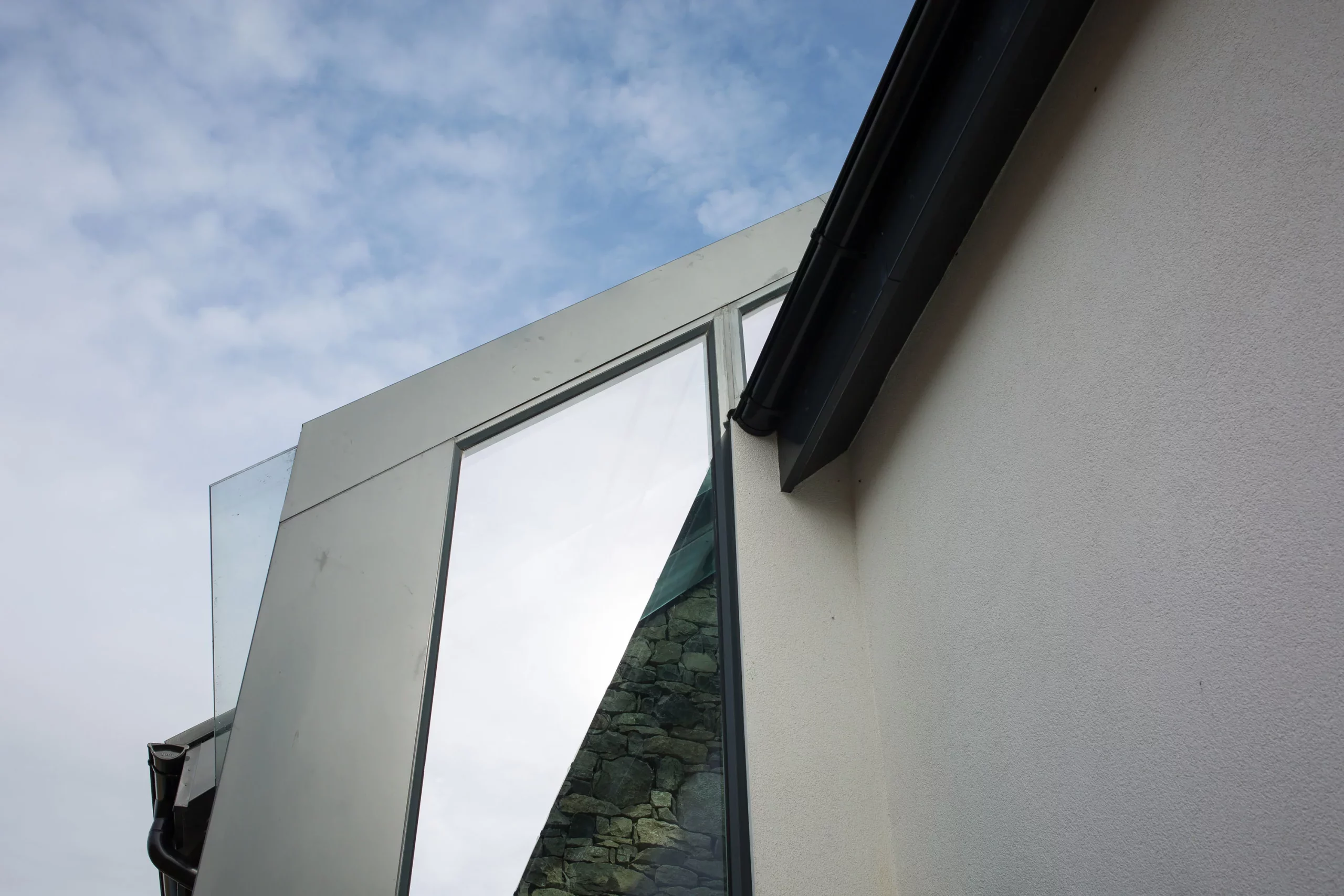
Planning approval is only one stage, new homes must meet current Building Regulations.
We coordinate architectural, structural and services information carefully so contractors receive clear, buildable drawings. That clarity supports accurate pricing and reduces variation risk during construction.
We stay involved through tender and build stages. Ongoing oversight protects the quality of the finished house and makes sure decisions are managed properly.
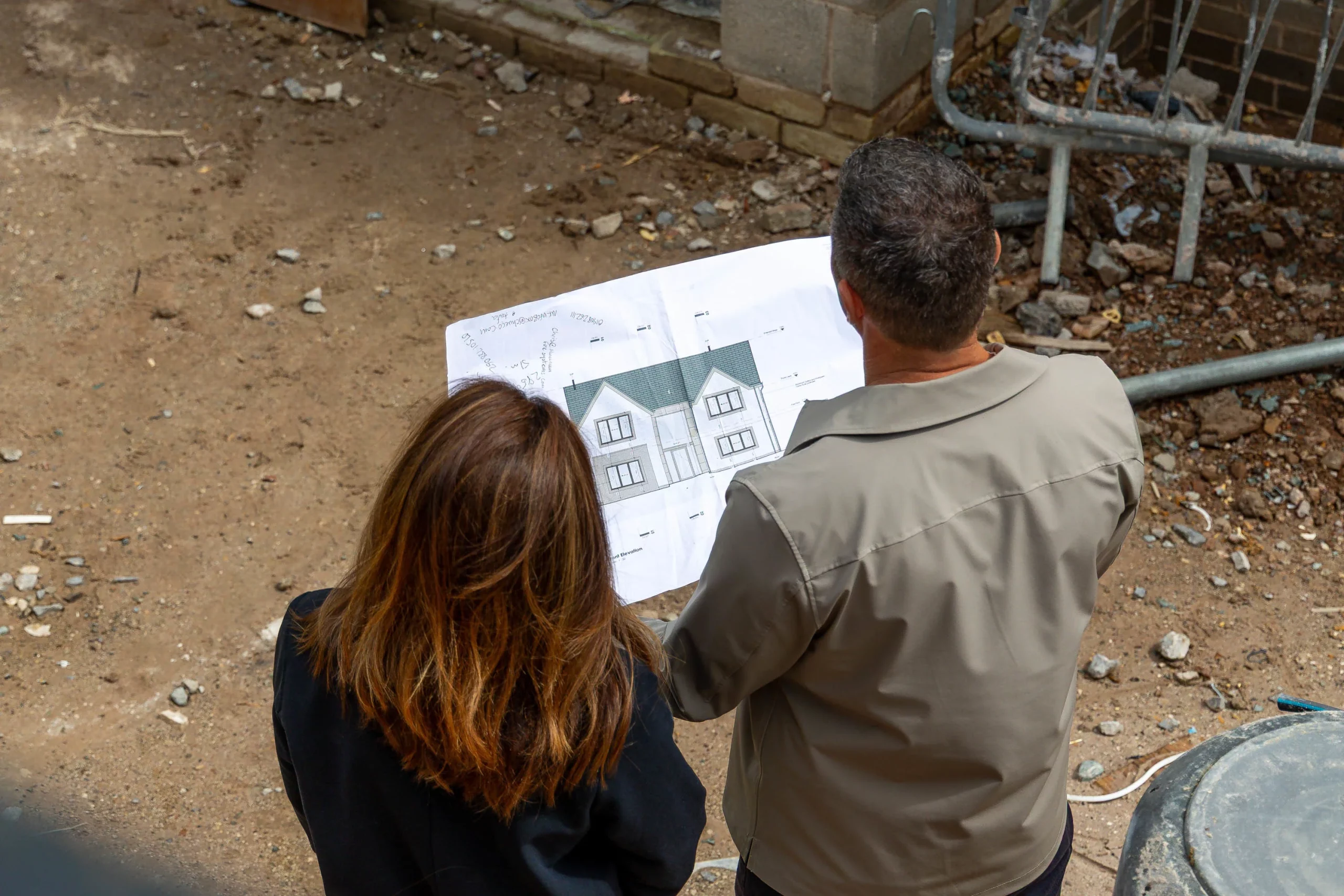
For new build homes, we’re often appointed from feasibility through to completion.
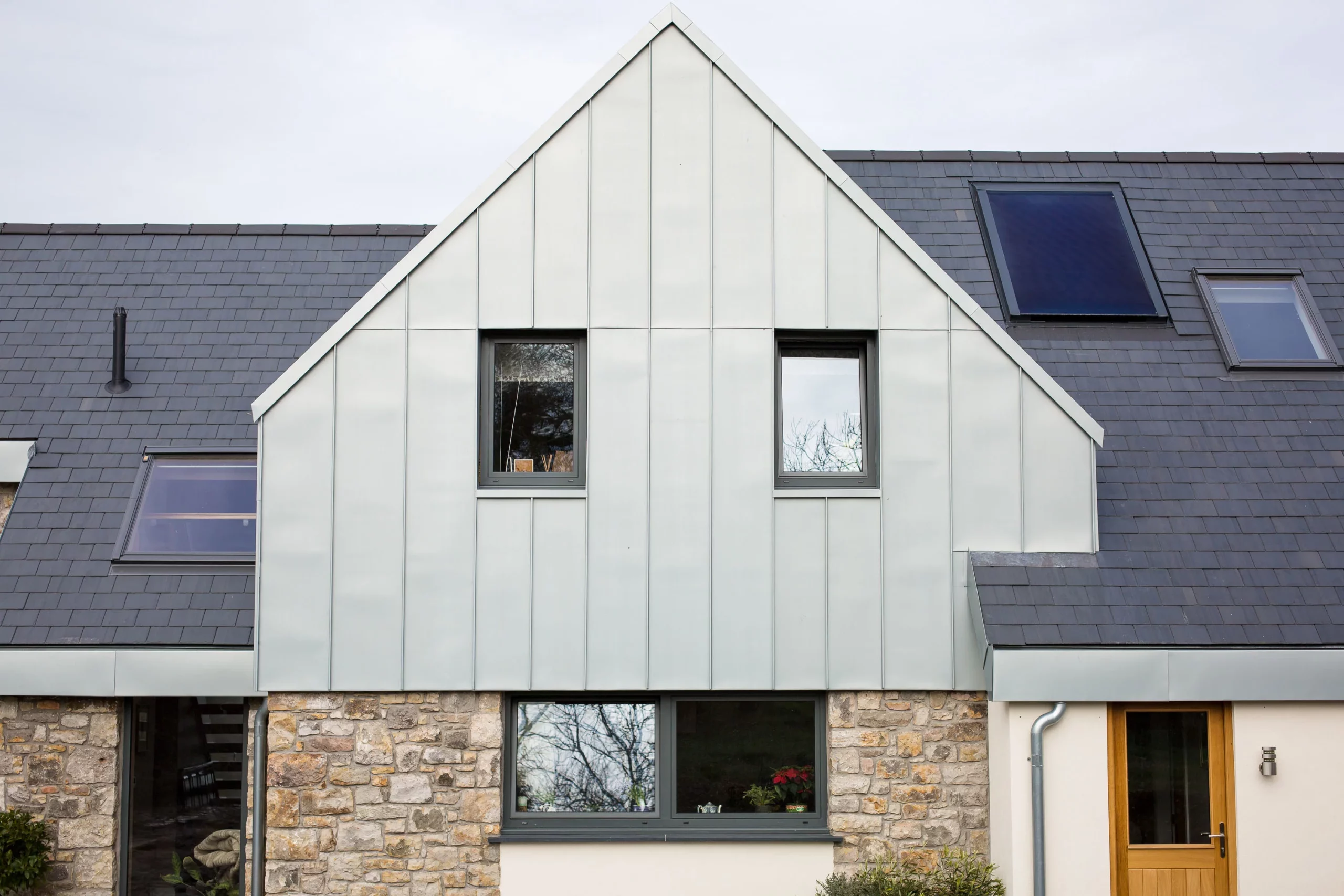
We can help you understand what the site will support, and how to approach it properly.
New build homes across different sites and settings
Answers to some of our most common residential project questions.
It depends on settlement boundaries, countryside policy and planning history. We assess that position clearly before advising on design.
In many cases, yes. Replacement dwellings are often more straightforward in policy terms.
No. It’s a general guide and always site dependent.
Yes. Ongoing involvement protects the design intent and makes sure the approved scheme is delivered properly.